skul the hero slayer trophy guide

Skul: The Hero Slayer Trophy Guide ⎻ Overview

Skul: The Hero Slayer’s trophy list presents a challenging, yet rewarding experience for dedicated players. This guide details all trophies,
including secrets and efficient farming methods, to achieve platinum.

Embarking on a Skul: The Hero Slayer trophy journey requires understanding the game’s roguelite structure and demanding combat. This guide serves as your comprehensive companion, navigating the trophy list’s intricacies. Success hinges on mastering character builds, efficient farming, and strategic gameplay. Prepare for repeated runs, learning enemy patterns, and adapting to randomized challenges.

The platinum trophy demands dedication, but is achievable with patience and a solid understanding of the game’s mechanics. This guide will break down each trophy, offering strategies and tips to streamline your progress. Don’t be discouraged by initial failures; persistence is key to becoming a true Hero Slayer and unlocking all achievements.

Difficulty and Trophy Impact

Skul: The Hero Slayer’s difficulty significantly impacts trophy acquisition. While some trophies are difficulty-agnostic, many require completing challenges on higher settings, demanding precise execution and optimized builds. Rookie mode offers an easier experience for initial progression, but doesn’t unlock all achievements.

Normal mode presents a balanced challenge, while Hard mode tests your skills and knowledge. Certain trophies, like those tied to specific character achievements, become substantially harder on increased difficulties. Expect to refine your strategies and adapt to tougher enemy encounters. Mastering the game’s mechanics is crucial for overcoming these hurdles and achieving platinum status.

Estimated Platinum Difficulty & Time

The platinum trophy for Skul: The Hero Slayer is considered a 6/10 in difficulty, demanding dedication and a solid understanding of the game’s mechanics. Expect a playtime of approximately 30-50 hours, depending on your skill level and familiarity with roguelite games.

Grindy elements, such as defeating 100 adventurers for “The Hero Killer,” and collecting blueprints contribute significantly to the overall completion time. Mastering different characters and builds is essential, alongside efficient farming strategies. Patience and persistence are key to unlocking all achievements and claiming the platinum trophy.

Essential Trophies & Walkthroughs

This section details key Skul: The Hero Slayer trophies, offering strategies and walkthroughs to efficiently unlock them and progress towards platinum.

The Hero Killer ⎻ Defeating 100 Adventurers

To unlock “The Hero Killer” trophy in Skul: The Hero Slayer, you must defeat a total of 100 adventurers throughout your playthrough. These adventurers, often referred to as “Heroes,” are common enemy types encountered across various stages and levels within the game.

This trophy is cumulative, meaning it unlocks naturally as you progress through the story and replay levels to master different characters and builds. Focus on engaging with as many heroes as possible during each run. Don’t actively avoid them; instead, prioritize defeating them to expedite the trophy’s acquisition. Remember, every defeated hero contributes to the overall count, making it a relatively straightforward achievement.

The Skeleton King ─ Defeating the First Hero with Little Bone

The “Skeleton King” trophy requires a specific and somewhat precise action: defeating the first hero encountered in Phase 3 with the “Little Bone” skull. This skull is crucial, as the final blow must be delivered using it to unlock the achievement.

Ensure you’ve unlocked and have the Little Bone skull available before reaching this phase. Focus on conserving your health and resources, and strategically utilize the Little Bone’s abilities to land the finishing hit. It doesn’t matter how you damage the hero beforehand; only the final strike with Little Bone counts. This trophy demands careful timing and execution.

Legend of Harmonia ⎻ Acquiring All Trophies

The “Legend of Harmonia” trophy represents the ultimate accomplishment in Skul: The Hero Slayer – obtaining every single trophy within the game. This platinum achievement signifies complete mastery of the game’s challenges, demanding dedication, skill, and a thorough understanding of all its mechanics.

Expect a significant time investment, potentially exceeding 30-50 hours, depending on your proficiency. You’ll need to conquer all story-related trophies, complete challenging gameplay feats, collect items, and overcome hidden objectives. Prepare for some grinding and strategic planning to unlock this prestigious trophy and become a true legend!

Unmissable Story Trophies ⎻ Progression Based

Several trophies are intrinsically linked to the main storyline of Skul: The Hero Slayer, earned simply by progressing through the narrative. These are considered “unmissable” as long as you complete the game’s core objectives. Key trophies include “Rescued Elder Ent,” awarded for a pivotal story moment, and “The End of the Gold Mane Knights,” signifying a major victory.

“False Goddess, Disappear,” “The Fall of the Leonia Order,” and ultimately, “The Final Battle” are automatically granted upon reaching and completing their respective story milestones. Ensure you fully explore each area and engage with all story events to guarantee these trophies are unlocked during your playthrough. No specific actions beyond story progression are required.

Rescued Elder Ent

The “Rescued Elder Ent” trophy is a straightforward, story-driven achievement in Skul: The Hero Slayer. During your journey, you’ll encounter an Elder Ent held captive by the forces opposing the Demon King. This trophy is awarded automatically upon successfully completing the questline associated with freeing this ancient being.

The process involves navigating a specific area, defeating the enemies guarding the Ent, and then interacting with it to initiate its rescue. No complex strategies or specific character builds are needed; simply follow the on-screen prompts and defeat the encountered enemies. This trophy is unmissable as part of the main story progression.

The End of the Gold Mane Knights

Earning the “The End of the Gold Mane Knights” trophy in Skul: The Hero Slayer requires defeating the final boss of the Gold Mane Knights stage. This encounter is a significant challenge, demanding skillful gameplay and a well-suited character build. Prepare for a multi-phase battle testing your reflexes and strategic thinking.

Focus on learning the boss’s attack patterns and exploiting its weaknesses. Utilizing powerful finishing moves and strategically switching between skulls is crucial for success. This trophy is unmissable as it’s a core component of the main storyline, marking a pivotal moment in your quest to overthrow the heroes. Expect a tough fight, but persistence will lead to victory!

False Goddess, Disappear

The “False Goddess, Disappear” trophy in Skul: The Hero Slayer is awarded upon defeating the boss of the Leonia Order stage – the False Goddess. This boss presents a unique challenge, requiring adaptation to her varied attack patterns and deceptive movements. Mastering dodging and utilizing skulls with effective range are key to survival.

Prepare for a battle that tests your ability to react quickly and exploit openings. Experiment with different skull combinations to find a build that counters her strengths. This trophy is a story-essential milestone, progressing the narrative and unlocking further content. Don’t be discouraged by initial failures; learning her tells is vital for ultimate triumph!

The Fall of the Leonia Order

Achieving “The Fall of the Leonia Order” trophy in Skul: The Hero Slayer signifies completing the Leonia Order stage. This involves navigating challenging levels filled with formidable heroes and culminating in a boss fight against the False Goddess. Strategic skull selection and skillful combat are crucial for success.

Prioritize builds that offer both damage output and survivability, as the Leonia Order’s enemies are relentless. Mastering movement and understanding enemy attack patterns will significantly improve your chances. This trophy is a pivotal point in the story, unlocking the path to the final confrontation. Prepare for a demanding test of your skills and adaptability throughout this stage!

The Final Battle

“The Final Battle” trophy marks the completion of Skul: The Hero Slayer’s main storyline. This climactic encounter pits you against a powerful final boss, demanding mastery of the game’s mechanics and a well-optimized build. Expect a prolonged and intense fight requiring precise timing and strategic skull swapping.

Prioritize maximizing damage output while maintaining sufficient defense. Understanding the boss’s attack patterns is essential for dodging and capitalizing on openings. This trophy represents the culmination of your journey, rewarding perseverance and skill. Prepare for a challenging test that will push your abilities to the limit, securing your victory and platinum status!

Gameplay Specific Trophies

Gameplay-focused trophies require specific in-game actions, like dying to a trap or completing the game on Rookie mode, testing your adaptability.

Rookies Welcome ⎻ Playing on Rookie Mode

Achieving the “Rookies Welcome” trophy is straightforward, yet essential for newcomers to Skul: The Hero Slayer. Simply initiate a new game and select “Rookie” difficulty from the options menu before starting your run. This mode significantly reduces enemy damage and increases your own, providing a more forgiving experience.

It’s an excellent starting point for players unfamiliar with the game’s mechanics and boss patterns. You don’t need to complete the game on Rookie; merely starting a run on this difficulty unlocks the trophy. Feel free to experiment with different skulls and builds without the pressure of intense difficulty. This trophy is easily obtainable within the first few minutes of gameplay, making it a quick and simple addition to your collection.

The Legend Begins ⎻ Returning After Death

The “The Legend Begins” trophy in Skul: The Hero Slayer is earned by experiencing death and then returning to the main menu. This is an unavoidable trophy, as death is a core mechanic of the game – you’re meant to die and learn from your mistakes! After being defeated by a hero or falling into a trap, you’ll be returned to the character select screen.

Simply restarting a new run after any death will automatically unlock this trophy. It’s a very early and easy achievement, often obtained during your initial attempts to grasp the game’s combat and skull-switching system. Don’t worry about intentionally seeking out death; it will happen naturally as you progress and experiment with different builds.

Focus! ⎻ Dying from a Trap

The “Focus!” trophy in Skul: The Hero Slayer requires you to meet your demise by falling victim to one of the game’s numerous traps. These traps range from simple spike pits and swinging blades to more elaborate contraptions found throughout the various stages. It’s a relatively straightforward trophy, but requires a bit of intentional carelessness.

Don’t actively try to find traps, but when you encounter one, don’t bother dodging! Simply walk into it. The timing can be tricky with some traps, so be prepared for a few attempts. This trophy encourages players to pay attention to their surroundings, even while deliberately seeking out a fatal encounter. It’s a quick and easy addition to your collection.

Go Home… ─ Rescuing the Demon King

The “Go Home…” trophy in Skul: The Hero Slayer is awarded upon successfully rescuing the Demon King and returning him to his rightful place. This is a core objective within the game’s narrative, achieved by progressing through the story and completing the final stages. It’s an unmissable trophy, intrinsically linked to finishing the main campaign.

Players must navigate challenging levels, defeat powerful heroes, and overcome various obstacles to reach the Demon King’s location. Once rescued, escorting him back ensures the trophy unlocks. This trophy signifies the completion of a significant portion of the game, and serves as a testament to the player’s skill and perseverance. It’s a satisfying reward for dedicated players!

Character & Build Related Trophies

This section covers Skul: The Hero Slayer trophies tied to specific character achievements, blueprint collection, and mastering powerful finishing moves for optimal builds.

Specific Character Achievements

Several trophies in Skul: The Hero Slayer are directly linked to mastering specific characters and their unique playstyles. Players will need to experiment with each hero, understanding their strengths and weaknesses to unlock related achievements. These aren’t simply about defeating bosses as a character, but often involve utilizing specific skills or completing challenges tailored to that hero’s abilities.

For example, certain characters might have a trophy tied to performing a specific combo, defeating a mini-boss without taking damage, or achieving a high score in a challenge room. The Trophy Hunter Legendary Blueprint, alongside the Plasma Casted Finishing Move and Targeting Laser Reticle, are examples of character-specific unlocks that contribute to trophy progression. Diligent exploration and character mastery are key to unlocking these.

Blueprint & Item Collection Trophies

Skul: The Hero Slayer features a robust collection aspect, rewarding players for discovering and acquiring blueprints and unique items scattered throughout the game. These trophies often require extensive exploration of each level and diligent completion of challenges. The Trophy Hunter Legendary Blueprint for the XM4 Assault Rifle is a notable example, demanding focused gameplay and a bit of luck to obtain.

Beyond individual blueprints, some trophies necessitate collecting a certain number of items from specific sources. This encourages replayability and thorough searching of environments. Efficient farming methods and knowledge of item drop locations are crucial for minimizing grind. Completing these collection-based achievements significantly contributes to the overall platinum progress.

Finishing Move Trophies

Skul: The Hero Slayer’s combat system emphasizes skillful execution of finishing moves, and several trophies directly reward players for mastering these techniques. The Plasma Casted finishing move is a prime example, requiring players to unlock and successfully perform this powerful attack against various heroes. These trophies aren’t simply about button-mashing; they demand precise timing and understanding of each skeleton’s unique abilities.

Acquiring the necessary blueprints or items to unlock specific finishing moves is often a prerequisite. Mastering the timing and range of each move is essential for consistent execution. These trophies add a layer of depth to the combat, encouraging players to experiment with different skeletons and refine their skills.

Hidden & Challenging Trophies

Skul: The Hero Slayer hides secrets and presents demanding challenges for completionists. Expect grindy tasks, obscure requirements, and potentially exploitable strategies for platinum.

Secret Trophies ─ Discovery & Requirements

Skul: The Hero Slayer features several hidden trophies demanding specific actions and discoveries. These aren’t revealed in the trophy list until earned, adding an element of surprise. One such trophy likely involves uncovering a secret character or alternate ending, requiring extensive exploration and completion of challenging tasks. Another could be tied to a particularly difficult boss fight achieved under specific, undocumented conditions.

Players should meticulously explore every area, interact with all NPCs, and experiment with different builds and strategies. Community resources and guides will become invaluable for pinpointing these elusive achievements. Expect some to require precise timing, skillful execution, or a deep understanding of the game’s mechanics. Don’t overlook seemingly insignificant details, as they may hold the key to unlocking these hidden rewards.

Grindy Trophies ─ Efficient Farming Methods

Several Skul: The Hero Slayer trophies necessitate repetitive actions, demanding optimized farming strategies. “The Hero Killer,” requiring 100 adventurer defeats, benefits from selecting stages with high enemy density and utilizing builds focused on rapid clear speed. For blueprint and item collection trophies, prioritizing runs that maximize chest spawns and shop availability is crucial.

Efficient farming also involves mastering the game’s movement and combat systems to minimize wasted time. Utilizing character abilities that enhance movement speed or area-of-effect damage can significantly accelerate the process. Consider exploiting level layouts and enemy spawn patterns to create optimal farming routes. Patience and consistency are key to overcoming these grindy challenges.

Exploitable Trophies ─ Potential Shortcuts

Skul: The Hero Slayer offers a few opportunities to streamline trophy acquisition. While not outright glitches, certain strategies can reduce grind. For “The Skeleton King,” consistently landing the final blow on the first hero with Little Bone is achievable by focusing on precise timing and build optimization, rather than relying on random encounters.

Some players report manipulating save files or utilizing specific character combinations to bypass certain challenges, though these methods may be considered less legitimate. Exploring community forums can reveal further potential shortcuts. However, be aware that game updates may patch these exploits. Prioritize understanding core mechanics for a more reliable platinum experience.

Final Tips & Resources

Skul: The Hero Slayer trophy hunting benefits from online guides, forums, and community support for efficient strategies and troubleshooting assistance.

Useful Websites & Guides

Several online resources significantly aid in navigating Skul: The Hero Slayer’s trophy challenges. IGN’s complete trophy list provides a comprehensive overview, detailing each achievement and offering preliminary guidance. For detailed walkthroughs and strategies, dedicated gaming websites often host player-created guides, covering specific boss encounters and efficient farming techniques.

YouTube channels specializing in trophy guides frequently showcase gameplay footage, demonstrating optimal strategies for difficult achievements like “The Hero Killer” or secret trophy acquisitions. Reddit’s Skul community forum is invaluable for seeking advice, sharing tips, and discovering potential exploits. These resources collectively offer a wealth of information, streamlining the path to platinum and enhancing the overall trophy hunting experience.

Community Forums & Help

Engaging with the Skul: The Hero Slayer community is crucial for overcoming challenging trophies. Reddit’s dedicated subreddit serves as a central hub for players to exchange tips, strategies, and ask for assistance with specific achievements. Numerous Discord servers cater to the game, offering real-time help and collaborative trophy hunting opportunities.

These forums are particularly useful for deciphering ambiguous trophy descriptions or discovering efficient farming methods for grindy achievements. Players frequently share successful builds, exploit discoveries, and detailed walkthroughs for difficult encounters. Don’t hesitate to seek guidance or contribute your own knowledge – the community’s collective expertise significantly enhances the trophy hunting journey.

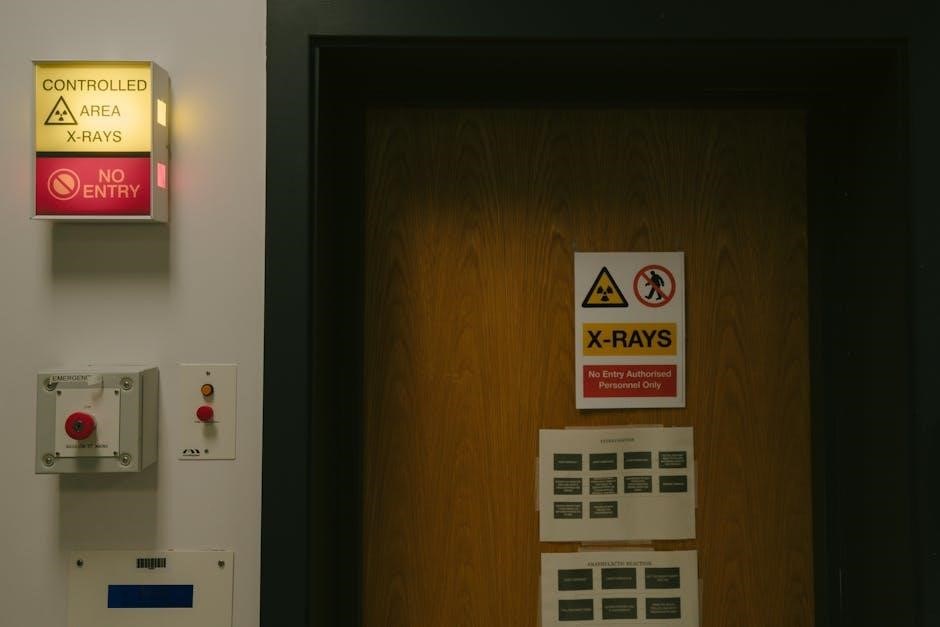
radiation safety questions and answers pdf

Radiation, encompassing energies like light and subatomic particles, profoundly impacts matter, potentially ionizing tissues and disrupting biological processes․
Understanding ionizing radiation – its sources, both natural and artificial – is crucial for safeguarding health, especially given its successful medical applications․

What is Ionizing Radiation?

Ionizing radiation possesses sufficient energy to remove electrons from atoms and molecules, inducing changes at the atomic level when interacting with matter, including living organisms․ This process creates ions – electrically charged atoms or molecules – hence the term “ionizing․”

Unlike non-ionizing radiation (like radio waves), ionizing radiation’s energy is high enough to disrupt the stable state of atoms․ This disruption can affect normal biological processes within living tissues, potentially causing cellular damage․ It’s emitted as electromagnetic waves or moving subatomic particles․

Exposure is ubiquitous; we constantly encounter natural radiation from sources in soil, water, air, and even within our bodies through inhalation and ingestion․ However, artificial radiation also plays a vital role, particularly in medical diagnosis and treatment, like cancer therapy․

Natural vs․ Artificial Radiation Sources

Natural radiation is ever-present, stemming from naturally occurring radioactive materials found ubiquitously in our environment – within the soil, water, air, and even incorporated into our own bodies․ Daily, we inhale and ingest trace amounts of radiation through these mediums, representing a constant, low-level exposure․

Conversely, artificial radiation is human-generated․ While it can pose risks if not managed correctly, it offers significant benefits, particularly in medical applications․ This includes utilizing radiation for precise diagnosis of illnesses and effective treatment of diseases like cancer․

The IAEA actively supports member states in ensuring the safe and effective use of artificial radiation in healthcare, emphasizing patient well-being․ Understanding both natural and artificial sources is fundamental to comprehensive radiation safety practices and minimizing potential harm․

Understanding Radiation Exposure

Radiation exposure arises from diverse sources – natural background, medical procedures, and occupational settings – demanding careful assessment and mitigation strategies for public and worker safety․

Sources of Natural Radiation Exposure

Natural radiation is ubiquitous, stemming from various earthly and cosmic origins․ Radioactive materials naturally present in soil, water, and air contribute significantly to our daily exposure․ We constantly inhale and ingest trace amounts of radiation through these mediums, a fundamental aspect of life on Earth․

Cosmic radiation, originating from outer space, also impacts us, with intensity varying based on altitude․ Even our own bodies contain naturally occurring radioactive isotopes like potassium-40․ These internal sources contribute to the overall background radiation level․

Understanding these sources is vital, not to inspire fear, but to appreciate the constant, low-level exposure we experience․ While unavoidable, recognizing these origins allows for informed perspectives on radiation safety and risk assessment, especially when considering artificial sources․

Medical Uses of Ionizing Radiation

Ionizing radiation plays a critical role in modern medicine, offering powerful diagnostic and therapeutic capabilities․ For decades, it has been successfully employed in medical diagnosis, enabling visualization of internal structures through techniques like X-rays and CT scans․

Furthermore, radiation therapy remains a cornerstone in the treatment of pathologies, most notably cancer․ Precisely targeted radiation beams can destroy cancerous cells while minimizing damage to surrounding healthy tissues․ The IAEA actively supports member states in ensuring the safe and effective application of radiation in patient care․

These applications necessitate stringent safety protocols to protect both patients and healthcare professionals․ Continuous advancements aim to optimize treatment plans and minimize exposure, maximizing benefits while mitigating potential risks․

Occupational Exposure to Radiation

Certain professions inherently involve a risk of occupational exposure to radiation․ Workers in nuclear power plants, medical facilities utilizing radiology, and research laboratories are potentially exposed to higher levels than the general public․

Protecting these individuals requires comprehensive radiation safety programs․ These programs encompass rigorous monitoring of exposure levels, implementation of shielding measures, and adherence to strict time and distance protocols․ Regular training is essential to ensure workers understand the risks and proper safety procedures․

The IAEA and national regulatory bodies establish guidelines and standards to limit occupational exposure, prioritizing worker health and safety․ Ongoing research, like the recent project involving 27 countries, further refines our understanding of radiation’s effects and improves protective measures․

Biological Effects of Radiation

Ionizing radiation alters matter at the atomic level, creating ions that disrupt normal biological processes within living tissues, potentially causing acute or chronic effects․

How Radiation Interacts with Matter

Radiation, as energy emitted through waves or particles, interacts with matter in ways that depend on its type and energy level․ Ionizing radiation possesses sufficient energy to remove electrons from atoms and molecules, a process called ionization; This detachment creates ions – electrically charged particles – and alters the chemical properties of the substance․

When radiation encounters matter, several interactions can occur, including photoelectric absorption, Compton scattering, and pair production․ These processes transfer energy from the radiation to the material, leading to excitation, ionization, and potentially, structural changes․ The extent of these interactions dictates the biological impact, as altered molecules can disrupt normal cellular functions․

Understanding these fundamental interactions is vital for assessing radiation’s effects on living organisms and developing effective shielding strategies․ The energy deposited influences the severity of biological damage, highlighting the importance of minimizing exposure․

Ionization and its Impact on Living Tissues

Ionization, the process where radiation removes electrons from atoms, is central to understanding radiation’s biological effects․ In living tissues, this creates ions, disrupting the normal chemical bonds essential for life․ These ions can directly damage crucial molecules like DNA, RNA, and proteins, interfering with cellular processes․

The impact isn’t solely direct; ions can also indirectly cause damage by reacting with other molecules, generating free radicals․ These highly reactive molecules amplify the initial damage, leading to cellular dysfunction or even cell death․ Critical cellular functions, such as replication and metabolism, are particularly vulnerable․

The severity of the impact depends on the dose and type of radiation, as well as the sensitivity of the tissue․ Understanding these effects is paramount for implementing effective radiation protection measures and minimizing health risks․

Acute vs․ Chronic Radiation Effects

Radiation effects on living tissues manifest differently depending on the dose and exposure timeframe․ Acute effects arise from high doses received over a short period, leading to rapid cellular damage and observable symptoms within days or weeks․ These can range from skin burns and nausea to more severe conditions like Acute Radiation Syndrome (ARS)․

Conversely, chronic effects develop from prolonged exposure to lower doses over months or years․ These effects are often subtle initially, but can lead to long-term health problems such as cancer, cataracts, and cardiovascular disease․ The latency period – the time between exposure and symptom onset – is significantly longer for chronic effects․

Distinguishing between acute and chronic effects is crucial for medical diagnosis and treatment, as well as for establishing appropriate radiation safety standards and monitoring protocols․ Both types of effects underscore the importance of minimizing radiation exposure․

Radiation Protection Principles

Protecting individuals involves minimizing exposure through time, distance, and shielding – foundational concepts in radiation safety, alongside the ALARA principle․

Time, Distance, and Shielding

Minimizing radiation exposure relies on three key principles: time, distance, and shielding․ Reducing the time spent near a radiation source directly lowers the total dose received, as exposure is cumulative․ Increasing the distance from the source dramatically decreases exposure; radiation intensity diminishes rapidly with distance, following an inverse square law․

Finally, shielding – utilizing materials like lead, concrete, or water – absorbs radiation, preventing it from reaching individuals․ The effectiveness of shielding depends on the radiation type and the shielding material’s density and thickness․ These principles, when applied correctly, significantly reduce the risk associated with ionizing radiation, protecting both workers and the public․

ALARA Principle (As Low As Reasonably Achievable)

The ALARA principle is a cornerstone of radiation safety, dictating that exposure must be As Low As Reasonably Achievable, considering social, economic, and practical factors․ It’s not about eliminating all exposure – often impossible, particularly in medical applications – but about continuous efforts to minimize it․

This involves careful planning, utilizing time, distance, and shielding effectively, and implementing robust safety protocols․ Regularly evaluating procedures and adopting new technologies to reduce dose are also crucial․ The ALARA principle emphasizes a proactive safety culture, prioritizing minimizing harm even when doses are within regulatory limits, ensuring responsible radiation use for both workers and the public․

Radiation Safety Regulations & Standards

National regulatory bodies, supported by the IAEA, establish and enforce standards for radiation protection, ensuring public, patient, and worker safety worldwide․

Role of the IAEA in Radiation Safety

The International Atomic Energy Agency (IAEA) plays a pivotal role in bolstering global radiation safety․ It achieves this by providing Member States with evidence-based guidance, essential tools, and specialized technical advice concerning public health issues related to both ionizing and non-ionizing radiation․

The IAEA actively supports countries in establishing and enhancing their radiation protection infrastructure․ This includes assisting with the safe and effective utilization of radiation in medical diagnosis and treatment, particularly for conditions like cancer․ A recent research project, involving 27 nations, has significantly deepened our understanding of the health effects stemming from ionizing radiation exposure․

Furthermore, the IAEA focuses on strengthening the clinical applications of biodosimetry – the process of estimating radiation dose through the measurement of biological responses․ By fostering international collaboration and knowledge sharing, the IAEA contributes significantly to a safer world regarding radiation practices․

National Regulatory Bodies

National regulatory bodies are fundamentally responsible for establishing and enforcing radiation safety standards within their respective countries․ These organizations translate the broad guidance provided by international bodies, like the IAEA, into specific, legally binding regulations tailored to their national context․

Their duties encompass licensing of facilities utilizing radiation sources, conducting regular inspections to ensure compliance, and investigating any incidents involving radiation exposure․ They also play a crucial role in educating and training professionals working with ionizing radiation, ensuring competent handling and minimizing risks․

Effective national regulation is vital for protecting the public, patients, and workers from the potential hazards of radiation․ These bodies continually adapt their standards based on evolving scientific understanding and international best practices, striving for the highest levels of safety and security in radiation applications․

Biodosimetry and Health Monitoring

Biodosimetry, measuring biological responses, estimates ionizing radiation dose exposure, involving 27 countries in research to understand health impacts and clinical applications․

What is Biodosimetry?

Biodosimetry represents a crucial technique for assessing radiation exposure in individuals․ It moves beyond physical dosimetry, which measures radiation fields, and instead focuses on the biological responses within the body caused by radiation․ This method is particularly valuable when physical dosimetry data is unavailable or unreliable, such as in accidental exposure situations․

Essentially, biodosimetry analyzes measurable biological changes – like chromosomal aberrations in lymphocytes – to estimate the amount of ionizing radiation a person has absorbed․ An IAEA research project, encompassing 27 countries, has significantly advanced our understanding of these biological effects and refined biodosimetry techniques․

The process involves analyzing samples, typically blood, to quantify radiation-induced damage at the cellular level․ This allows medical professionals to estimate the radiation dose received, aiding in appropriate medical intervention and long-term health monitoring․ It’s a vital tool for radiation protection and public health․

Using Biological Responses to Estimate Radiation Dose

Estimating radiation dose through biological responses centers on quantifying the damage inflicted on cells and tissues․ Biodosimetry leverages the principle that radiation induces specific, measurable changes within living organisms․ A primary method involves analyzing chromosomal aberrations – structural changes in chromosomes – within lymphocytes, a type of white blood cell․

The frequency and type of these aberrations correlate with the radiation dose received․ Sophisticated scoring techniques are employed to assess the extent of damage, allowing scientists to estimate the absorbed dose․ The IAEA’s research project, involving 27 nations, has been instrumental in standardizing these techniques and improving their accuracy․

Other biological indicators, beyond chromosomal aberrations, are also explored, offering complementary information․ This multifaceted approach enhances the reliability of dose estimation, crucial for medical management and long-term health surveillance following radiation exposure․

Resources for Radiation Safety Information (PDFs)

Reliable radiation safety PDFs, often from the IAEA, cover crucial topics like regulations, health effects, and protective measures for workers and the public․

Finding Reliable Radiation Safety PDFs

Locating trustworthy radiation safety information in PDF format requires careful source evaluation․ The International Atomic Energy Agency (IAEA) is a premier resource, offering comprehensive documents on all facets of radiation protection, from fundamental principles to specific regulatory guidance․ National regulatory bodies, such as those responsible for enforcing radiation safety standards within individual countries, also frequently publish PDFs detailing local regulations and best practices․

University websites with strong nuclear engineering or health physics programs often host valuable PDF resources, including lecture notes, research reports, and training materials․ Be cautious when downloading from less-known sources; prioritize PDFs from recognized authorities to ensure accuracy and reliability․ Look for documents that are regularly updated to reflect the latest scientific understanding and regulatory changes․ Always verify the document’s origin and date of publication before relying on its content․

Key Topics Covered in Radiation Safety PDFs

Radiation safety PDFs typically delve into the fundamental nature of ionizing radiation, explaining how it interacts with matter and living tissues, leading to ionization and potential biological effects․ A core focus is on radiation protection principles – time, distance, and shielding – alongside the ALARA principle (As Low As Reasonably Achievable)․

Essential topics include understanding natural and artificial radiation sources, assessing exposure levels, and recognizing both acute and chronic radiation effects․ Many PDFs detail biodosimetry, the process of estimating radiation dose through biological indicators, and outline relevant regulatory standards enforced by organizations like the IAEA․ Furthermore, they often address specific safety protocols for medical and occupational settings, ensuring worker and public protection․

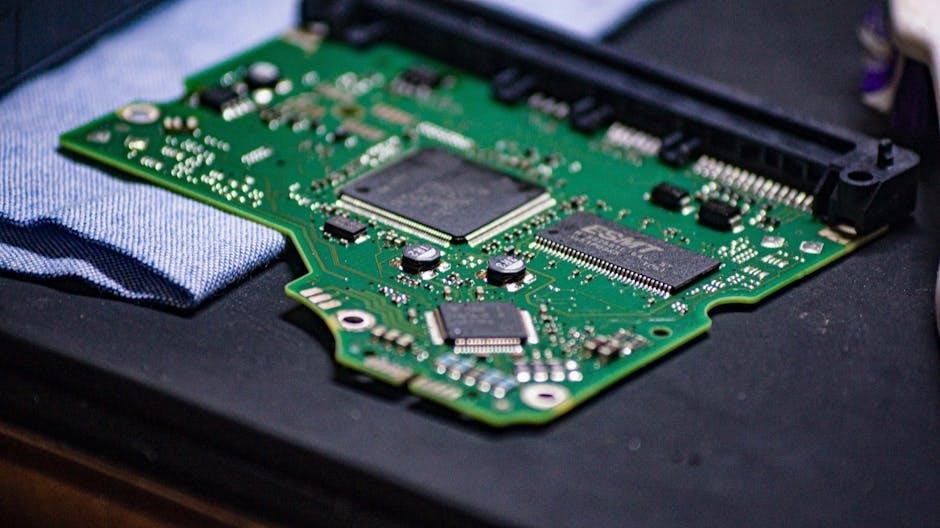
circuit board components identification pdf

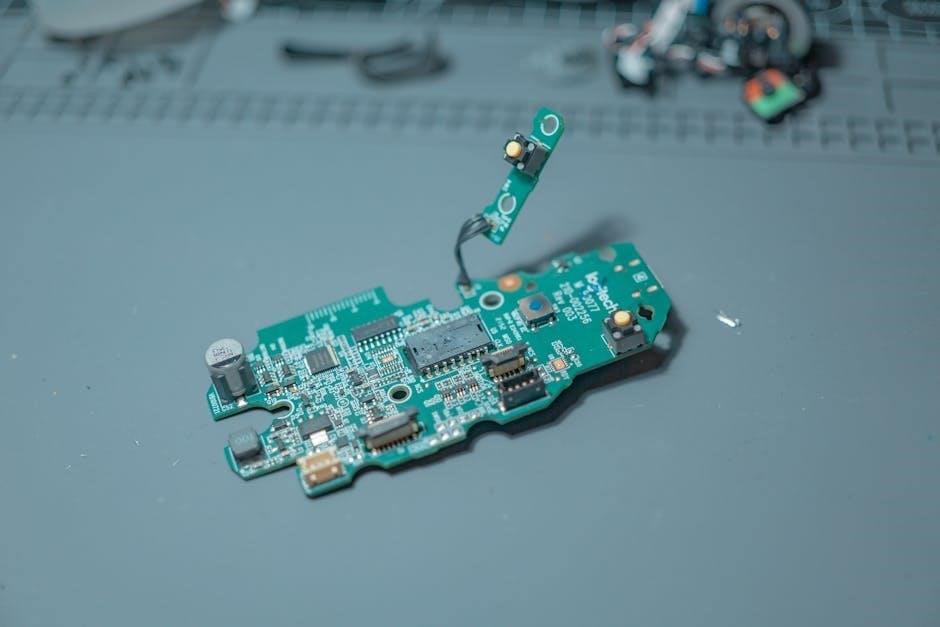
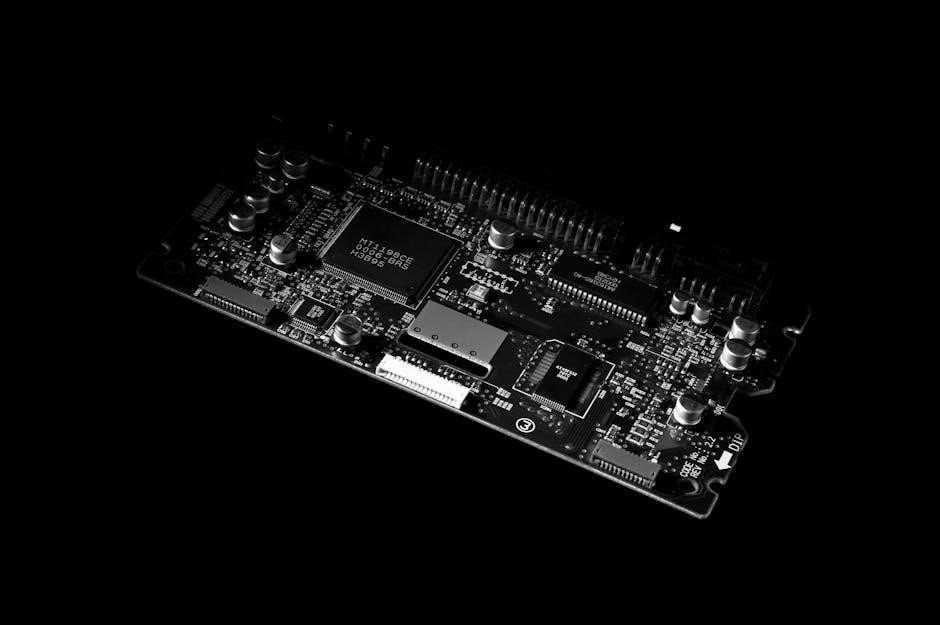
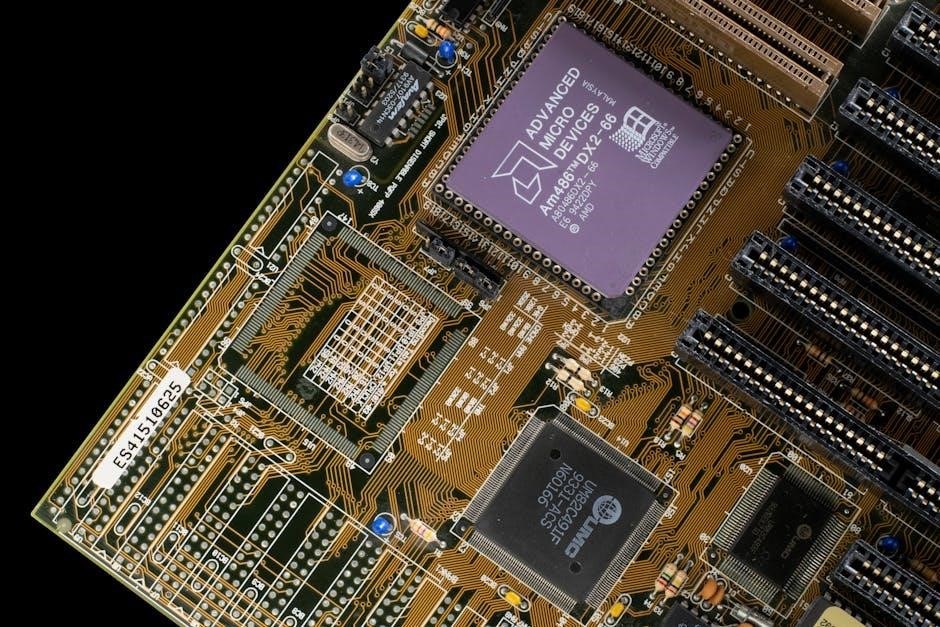
Exploring electronic components via PCB guides, like those in PDF format, covers resistors, capacitors, and ICs, alongside SMT & THT assembly techniques.

Understanding datasheets—essential for specifications—and mastering identification are crucial for efficient circuit board tracking and quality control within manufacturing processes.

The Growing Need for Efficient PCB Tracking

Large electronics manufacturers are relentlessly focused on optimizing resource utilization and boosting overall operational efficiencies. A significant hurdle in achieving these goals lies in the ability to meticulously track every printed circuit board (PCB) component throughout the entire production lifecycle. This necessitates precise component identification, often facilitated by readily available PDF documentation.

Effective PCB tracking isn’t merely about inventory management; it’s about ensuring product quality, streamlining repairs, and enabling rapid response to supply chain disruptions. Detailed component datasheets, frequently distributed in PDF format, provide critical specifications and characteristics. This allows for accurate tracing of parts, verification of authenticity, and swift identification of potential issues. The demand for robust tracking systems is escalating alongside the increasing complexity of modern electronics, making accurate component identification paramount.

Challenges for Beginners in Electronics

Newcomers to the electronics field often encounter significant difficulties when attempting to decipher the myriad components populating a circuit board. Understanding the function and identifying each part can be incredibly daunting, even with access to component identification resources like PDF datasheets. The sheer variety of components – resistors, capacitors, ICs, and more – presents a steep learning curve;

Successfully navigating this landscape requires not only recognizing physical characteristics but also comprehending electrical principles. Beginners may struggle to interpret PDF datasheets, which are often filled with technical jargon and complex diagrams. Furthermore, differentiating between similar-looking components and understanding their specific roles within a circuit demands dedicated study and practical experience. Mastering component identification is a foundational skill, crucial for anyone entering the world of electronics.

Common Circuit Board Components

Essential circuit board elements—resistors, capacitors, inductors, and ICs—are detailed in PDF guides, aiding identification and understanding of their roles in electronic circuits.

These guides simplify component identification for both novices and experienced technicians alike.

Resistors: Understanding Electrical Friction

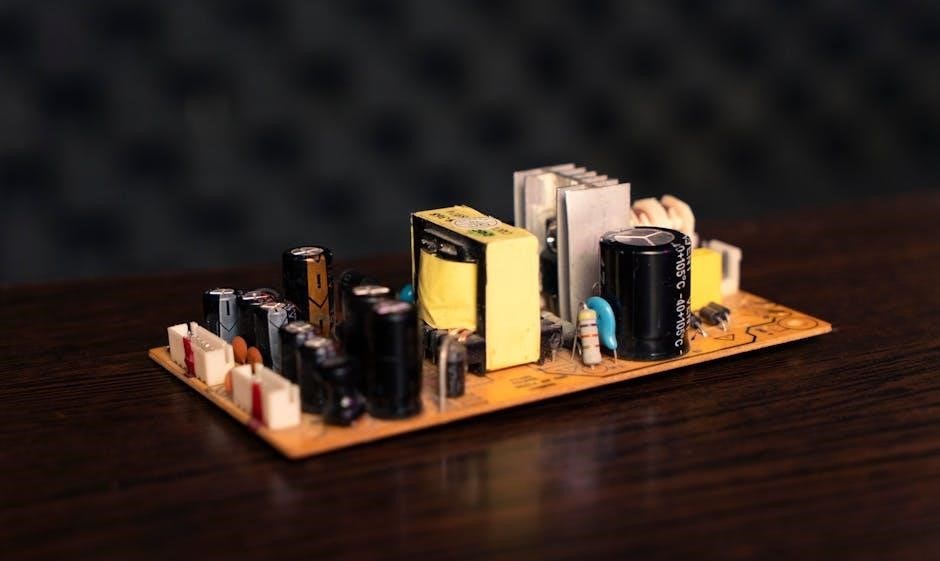
Resistors, fundamental circuit board components, are described as creating “electrical friction,” controlling current flow and dissipating energy as heat within electronic circuits.

PDF guides dedicated to component identification detail resistor types – carbon film, metal film, wirewound – each with varying tolerances and power ratings.

These guides often include color code charts, crucial for deciphering a resistor’s resistance value directly from the component itself, without needing a multimeter.

Understanding resistor markings, as presented in these PDF resources, is vital for accurate circuit analysis and troubleshooting, ensuring correct component placement and functionality.

Proper identification prevents damage and ensures optimal circuit performance.

Capacitors: Energy Storage Devices

Capacitors function as miniature energy reservoirs within electronic circuits, storing electrical energy in an electric field and releasing it when needed, smoothing voltage fluctuations.

PDF guides on circuit board component identification categorize capacitors by dielectric material – ceramic, electrolytic, film – each suited for different applications and frequencies.

These resources detail capacitor markings, including capacitance values (in Farads), voltage ratings, and polarity indicators (for electrolytic types), essential for correct installation.

Accurate identification, aided by PDF documentation, prevents reverse polarity connections which can lead to capacitor failure and circuit malfunction.

Understanding these markings ensures proper component selection and reliable circuit operation.

Inductors: Managing Magnetic Fields

Inductors, crucial circuit board components, store energy in a magnetic field when electric current flows through them, opposing changes in current and filtering signals.

Circuit board component identification PDF guides detail inductor characteristics like inductance (measured in Henries), current rating, and DC resistance, vital for selection.

These PDF resources explain how to decipher inductor color codes and markings, often indicating inductance value and tolerance, aiding in accurate identification.

Different core materials – air, ferrite, iron powder – influence inductor performance, and PDFs clarify these distinctions for specific applications.

Correct identification, using these guides, prevents mismatched components and ensures optimal circuit functionality and signal integrity.

Integrated Circuits (ICs): The Brains of the Board

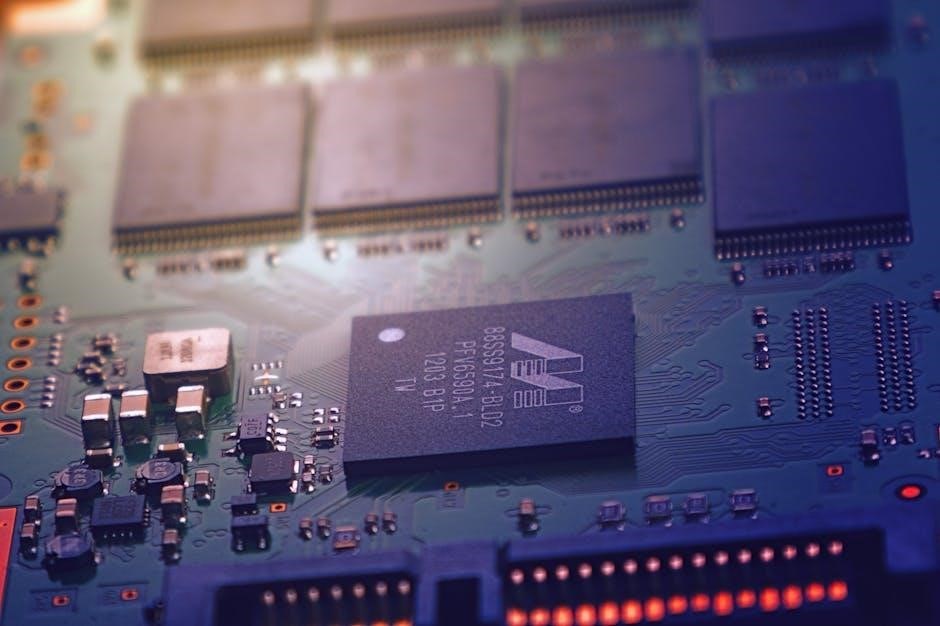
Integrated Circuits (ICs), often called “chips,” are the complex core of modern electronics, performing diverse functions from processing to memory management on a circuit board.

Circuit board component identification PDF guides are essential for deciphering IC markings, which can be cryptic due to space constraints and manufacturer codes.

These PDF resources detail pin configurations, power requirements, and functional descriptions, enabling accurate identification and preventing incorrect replacements.

Understanding IC package types – DIP, SOIC, QFP, and others – is crucial, and PDFs provide visual references for quick identification.

Datasheets, accessible as PDFs, outline the IC’s specifications, ensuring compatibility and optimal performance within the overall circuit design.
Component Assembly Technologies

Circuit board component identification PDF guides detail both Through-Hole Technology (THT) and Surface Mount Technology (SMT) assembly methods, impacting component placement.

Understanding these technologies aids in recognizing assembly characteristics during identification and troubleshooting of circuit boards.

Through-Hole Technology (THT): A Traditional Approach

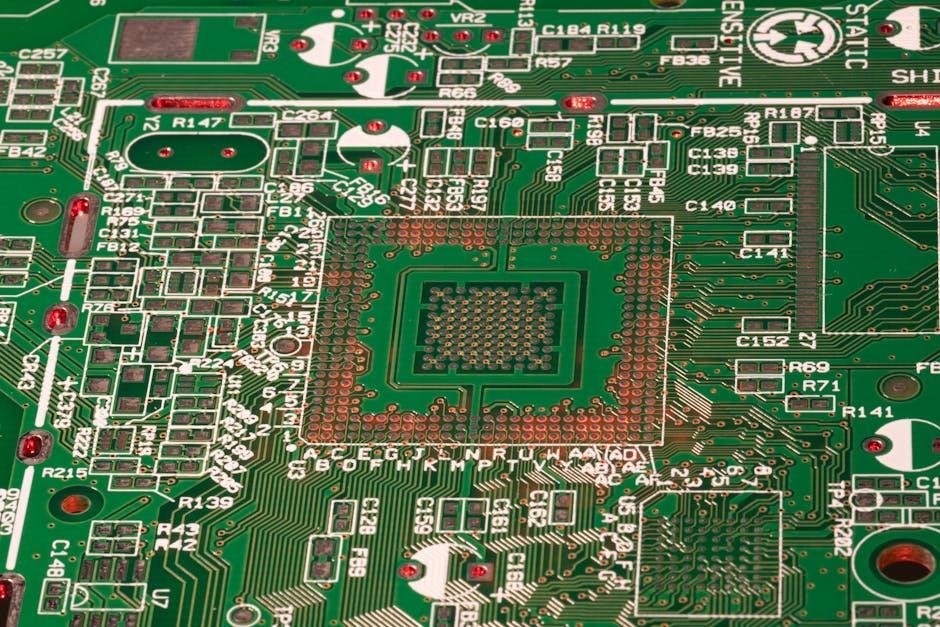
Through-Hole Technology (THT) represents a long-standing method for assembling electronic components onto printed circuit boards, and circuit board component identification PDF resources often illustrate this technique.

This process involves inserting component leads into drilled holes on the PCB and then soldering those leads to secure the component in place. Historically, THT was dominant due to its relative simplicity and robustness, particularly for larger components.

However, PDF guides highlight that THT is more labor-intensive and requires more board space compared to modern Surface Mount Technology (SMT). The need to bend and trim component leads adds to the manufacturing time and complexity. Identifying THT components often involves recognizing the presence of these leads and the corresponding holes on the board.

Despite its drawbacks, THT remains relevant for certain applications, especially for prototyping and for components that require a strong mechanical connection. Detailed PDF documentation will showcase the visual characteristics of THT assemblies.

Surface Mount Technology (SMT): Modern and Compact

Surface Mount Technology (SMT) has become the predominant method for assembling electronic components, and circuit board component identification PDF guides extensively cover its principles.

Unlike Through-Hole Technology, SMT components are mounted directly onto the surface of the PCB, eliminating the need for drilled holes and component leads. This results in significantly higher component density and reduced board size, as detailed in many PDF resources.

PDF documentation emphasizes that SMT relies on solder paste and automated pick-and-place machines for precise component placement. Identifying SMT components often involves recognizing their small size and flat contacts. The technology allows for faster assembly times and lower production costs.

Modern circuit board component identification relies heavily on recognizing SMT footprints and package types, which are clearly illustrated in component PDF datasheets and assembly guides.

Utilizing Datasheets for Identification

Manufacturer-supplied electronic component datasheets, often in PDF format, detail specifications, operating characteristics, and physical dimensions for accurate PCB identification.

Understanding PCB Datasheets (PDF Format)

PCB datasheets, commonly available in PDF format, represent a cornerstone of effective component identification and circuit board understanding. These documents, provided by manufacturers like Eaton, contain a wealth of critical information essential for engineers, technicians, and hobbyists alike.

Within these PDFs, you’ll find detailed specifications outlining electrical characteristics, operating voltage ranges, power dissipation limits, and temperature tolerances. Physical dimensions, including package sizes and pin configurations, are also meticulously documented, aiding in visual identification and proper placement on the board.

Furthermore, datasheets often include schematic symbols, footprint information for PCB layout, and recommended circuit applications. Understanding how to interpret these details is paramount for successful circuit board design, assembly, and troubleshooting. Accessing and utilizing these resources significantly streamlines the component identification process.

Key Information Found in Electronic Component Datasheets

Electronic component datasheets, often in PDF format, are treasure troves of vital information for accurate identification and proper utilization. Beyond basic specifications, they detail operating characteristics crucial for circuit functionality. Expect to find absolute maximum ratings – voltage, current, power, and temperature – defining safe operating limits.

Pinouts and package dimensions are essential for physical integration onto a PCB, ensuring correct connections and avoiding mechanical interference. Datasheets also outline electrical parameters like resistance, capacitance, inductance, and gain, depending on the component type.

Crucially, they provide information on recommended circuits, potential failure modes, and testing procedures. Detailed notes regarding voltage nets and misconnected pins are often included, aiding in debugging and ensuring reliable performance. Mastering datasheet interpretation is fundamental to successful electronics work.

Advanced Identification Techniques

Mask R-CNN, utilizing TensorFlow, enables automated PCB component detection, while Automated Optical Inspection (AOI) systems enhance quality control, referencing PDF datasheets.

Mask R-CNN for PCB Component Detection

Implementing Mask R-CNN with TensorFlow 2.5.0 represents a significant advancement in automated PCB component detection. This technique moves beyond simple identification, providing pixel-level segmentation of each component on the board.

The system analyzes images of the PCB, leveraging pre-trained models and fine-tuning them with datasets containing labeled component images – often sourced from manufacturer PDF datasheets. This allows for accurate identification even with variations in component orientation, lighting conditions, and partial occlusions.

The output isn’t just a bounding box around a component; it’s a precise mask outlining its shape. This is crucial for tasks like automated inspection, bill of materials (BOM) verification, and reverse engineering. Access to detailed PDF documentation aids in training the model to recognize diverse component footprints and markings, improving overall accuracy and reliability.

Automated Optical Inspection (AOI) Systems

Automated Optical Inspection (AOI) systems are pivotal in modern electronics manufacturing, ensuring high-quality PCB assembly. These systems utilize high-resolution cameras and sophisticated image processing algorithms to detect defects and verify component placement.

AOI relies heavily on reference images, often generated from component PDF datasheets and CAD data. The system compares the actual board against these references, identifying missing, misplaced, or incorrectly oriented components.

Advanced AOI systems can even detect subtle defects like solder joint issues or component damage. Integration with component libraries, populated with information from manufacturer PDFs, allows for accurate identification of even complex parts. This process significantly reduces human error and improves production yield, streamlining the quality control workflow.

Practical Considerations for Component Placement

Dedicated patch areas on prototype boards accommodate larger components, while layout reviews—informed by PDF datasheets—verify correct values and connections.

Prototype Boards and Dedicated Patch Areas

When initially experimenting with circuit board designs, utilizing prototype boards is an invaluable step in the development process. These boards offer flexibility for testing and refinement before committing to a full production run. However, certain components, due to their size or physical characteristics, can be challenging to integrate directly onto standard prototyping surfaces.

This is where dedicated patch areas become essential. A small, designated space on the circuit board allows for the manual soldering of more awkward components, such as potentiometers, switches, or larger connectors. This approach bypasses the limitations of traditional prototyping methods, ensuring that all necessary elements can be incorporated into the design. Referencing component datasheets (often available in PDF format) is crucial for understanding the physical dimensions and connection requirements of these parts, facilitating a smooth and reliable assembly process.

Layout Review and Component Value Verification

A thorough layout review is a critical stage in PCB design, ensuring accuracy and functionality before fabrication. This process involves meticulously examining the circuit schematic and board layout to identify potential errors, such as misconnected or unconnected pins, and incorrect trace routing. Detailed information, often found within component datasheets (typically in PDF format), outlines recommended circuits and pin configurations.

Crucially, verifying component values against the original design specifications is paramount. Discrepancies can lead to circuit malfunction or damage. The review should also encompass voltage nets, confirming they align with the intended operating parameters. Utilizing component identification guides and cross-referencing with the PDF datasheets helps prevent costly mistakes and ensures the final product meets performance expectations. A systematic approach to layout review and value verification is essential for a robust and reliable PCB.

Specific Component Types & Identification

Identifying components like fuses, diodes, and transistors requires referencing datasheets (often PDFs) to understand their unique functions and physical characteristics.

Fuses: Protecting the Circuit

Fuses are fundamental safety components on any PCB, designed to protect sensitive circuitry from overcurrents and short circuits. Identifying a fuse correctly, often through a manufacturer’s PDF datasheet, is paramount for maintenance and repair.

Datasheets will specify crucial parameters like current rating, voltage rating, and breaking capacity. Subminiature radial leaded fast-acting fuses, for example, are detailed in PCB-1 datasheets available online. Visual identification involves noting the physical dimensions, body markings, and lead configuration.

Understanding these markings—often coded—requires referencing the PDF documentation. Incorrect fuse replacement can compromise circuit protection, leading to potential damage or safety hazards. Always verify the specifications before substituting a fuse, utilizing available component databases and catalogs.

Diodes: Controlling Current Flow

Diodes are essential semiconductor components enabling current flow in only one direction, crucial for rectification, signal modulation, and protection within PCB designs. Accurate identification, often relying on a manufacturer’s PDF datasheet, is vital for correct circuit functionality.

Datasheets provide key specifications like forward voltage, reverse voltage, and maximum current. Identifying diode types—such as Schottky, Zener, or standard silicon diodes—requires careful examination of markings and package styles. These markings are often detailed within the PDF documentation.

Utilizing online component databases alongside datasheets aids in deciphering these codes. Incorrect diode identification or replacement can lead to circuit malfunction or damage. Always cross-reference specifications before substitution, ensuring compatibility and proper operation.

Transistors: Amplifying and Switching Signals

Transistors are fundamental active components used for amplification and switching, forming the building blocks of modern electronics. Identifying transistors accurately, often through manufacturer PDF datasheets, is paramount for successful PCB repair and design. Different types—BJT, MOSFET, and JFET—require distinct identification approaches.

Datasheets detail crucial parameters like gain (hFE), voltage ratings, and pin configurations. Package styles (TO-92, SOT-23, etc.) offer initial clues, but the part number is essential for precise identification. Online component databases, coupled with PDF resources, help decode these markings.


Incorrect transistor identification can lead to circuit failure or suboptimal performance. Always verify specifications before replacement, ensuring the new component matches the original’s characteristics. Careful study of the PDF is crucial for proper functionality.

Resources for Component Identification

Accessing online component databases and PDF catalogs, alongside manufacturer datasheets, provides comprehensive information for accurate circuit board element identification.

Online Component Databases and Catalogs

Numerous online resources facilitate circuit board component identification, often providing access to extensive PDF datasheets. These databases act as centralized repositories, allowing users to search for parts by manufacturer, part number, or even key specifications.

Digi-Key and Mouser Electronics are prime examples, offering searchable catalogs with detailed component information, including parametric data and downloadable PDF datasheets. Octopart aggregates parts from multiple distributors, streamlining the search process. ComponentSource also provides a robust search engine and datasheet access.

These catalogs frequently include images, pinouts, and application notes, aiding in visual and functional identification. Utilizing these platforms significantly reduces the time required to locate component specifications and ensures accurate circuit board analysis and repair.

PDF Guides for Circuit Board Component Identification

PDF guides dedicated to circuit board component identification are invaluable resources for both beginners and experienced engineers. These documents often provide comprehensive visual references, detailing the physical characteristics of various components like resistors, capacitors, and ICs.

Manufacturer datasheets, readily available in PDF format, are the most authoritative source, outlining specifications, pin configurations, and operating parameters. Eaton provides PCB datasheets in PDF, detailing fuse specifications. Many online communities and educational institutions also offer curated PDF guides.

These guides frequently include comparison charts, helping to differentiate between similar-looking components. Accessing and utilizing these PDF resources streamlines the identification process, ensuring accurate circuit board analysis and efficient troubleshooting.

Future Trends in Component Identification

AI-powered recognition and digital twins promise to revolutionize component identification, moving beyond traditional PDF datasheets for lifecycle management and automated analysis.

AI-Powered Component Recognition

The evolution of circuit board component identification is rapidly advancing with the integration of Artificial Intelligence. Traditional methods, relying heavily on manual inspection and referencing PDF datasheets, are becoming increasingly inefficient in the face of complex board designs and miniaturization.

AI algorithms, particularly those leveraging deep learning techniques like Mask R-CNN, offer a powerful solution. These systems can be trained on vast datasets of component images and datasheet information to automatically detect and classify components with remarkable accuracy. This not only speeds up the identification process but also reduces the potential for human error.

Furthermore, AI can analyze subtle visual cues and markings often missed by the human eye, enabling the identification of even obscure or damaged components. The future promises even more sophisticated AI tools capable of predicting component failures and optimizing board layouts based on identification data.

Digital Twins and Component Lifecycle Management

The convergence of circuit board component identification with Digital Twin technology represents a significant leap forward in electronics manufacturing. A Digital Twin—a virtual replica of a physical PCB—can be populated with accurate component data extracted from PDF datasheets and AI-powered identification systems.

This allows for comprehensive lifecycle management, tracking each component from initial design and sourcing through assembly, testing, and even end-of-life recycling. Detailed information, including datasheet specifications, manufacturing dates, and performance history, is readily accessible within the Digital Twin environment.

Such a system facilitates predictive maintenance, enables rapid troubleshooting, and supports informed decision-making regarding component replacements and upgrades. Ultimately, Digital Twins enhance product reliability, reduce downtime, and optimize the overall efficiency of the electronics supply chain.

mitsubishi mr slim owners manual

Mitsubishi Mr. Slim Owners Manual: A Comprehensive Guide

Welcome! This manual provides essential guidance for operating and maintaining your Mitsubishi Electric Mr. Slim air conditioning system, ensuring optimal performance and longevity.

Mitsubishi Electric’s Mr. Slim series represents a pinnacle of air conditioning technology, renowned for its sophisticated design, energy efficiency, and quiet operation. These systems are engineered to provide exceptional comfort while minimizing environmental impact. The Mr. Slim range encompasses a diverse selection of models, catering to various applications – from residential spaces to commercial environments.

This series utilizes advanced inverter technology, allowing for precise temperature control and reduced energy consumption. Key features include individual airflow control, intelligent defrosting, and self-cleaning functions; Understanding the specific capabilities of your Mr. Slim unit is crucial for maximizing its benefits. This manual will guide you through the features, operation, and maintenance procedures specific to your model, ensuring years of reliable performance. Always refer to the installation manual for specific restrictions.

Understanding Your Unit: Model Numbers & Specifications

Decoding your Mr. Slim model number is the first step to understanding your system’s capabilities. The alphanumeric code provides vital information about the unit’s capacity, features, and intended application. Refer to Mitsubishi Electric’s official documentation or website to decipher the specific meaning of each character within your model number.

Key specifications to note include cooling and heating capacity (measured in BTU or kW), power consumption, refrigerant type, and operating voltage. These details are crucial for ensuring proper installation and operation. The technical and service manual provides detailed specifications for your specific model, including error codes. Always consult these resources for accurate information. Proper understanding of these specifications will aid in troubleshooting and maintenance.

Safety Precautions & Warnings

Prioritize safety! Before operating your Mr. Slim unit, carefully review these crucial precautions. Installation and service must be performed by qualified professionals, adhering strictly to the installation manual. Never attempt self-repair, as improper handling can lead to electric shock or system damage.

Disconnect the power supply before cleaning or performing any maintenance. Do not operate the unit with a damaged power cord or plug. Keep flammable materials away from the indoor and outdoor units. Ensure adequate ventilation around the outdoor unit. Be aware of potential refrigerant leaks and contact a qualified technician immediately if suspected. Always follow the guidelines outlined in both the operation and installation manuals to prevent hazards and ensure safe operation of your Mr. Slim system.

Operation & Control

Mastering your system is easy! This section details powering on/off, remote control functions, mode selection, fan speed, timer settings, and airflow direction.

Powering On/Off & Basic Operation

Initial Power-Up: Upon initial installation, ensure the unit is properly connected to a grounded power source. Press the main power button on the remote control; a confirmation light will illuminate on the indoor unit. To turn the unit off, simply press the power button again. Allow several minutes for the system to fully shut down.

Emergency Operation: In the event of remote control malfunction, locate the emergency on/off switch on the indoor unit itself. This allows for manual control. Remember to restore normal operation via the remote as soon as possible.

Operational Modes: The system defaults to automatic mode upon startup. Utilize the mode selection button on the remote to choose your desired setting – Cool, Heat, Dry, or Auto. Confirm the selected mode is displayed on the indoor unit’s display panel.

Initial Test Run: After powering on, perform a brief test run to verify proper functionality and airflow.

Remote Control Functions Explained

Key Buttons: The remote features a power button for on/off control, mode selection (Cool, Heat, Dry, Auto), fan speed adjustment (Auto, Low, Medium, High), and temperature setting (+/- buttons). A ‘Timer’ button accesses scheduling features. The ‘I-Save’ button, if equipped, optimizes energy usage.

Display Panel: The remote’s LCD displays the current mode, set temperature, fan speed, and timer status. Low battery indicator alerts you to replace the batteries (typically AAA size). Ensure clear line of sight between the remote and the indoor unit.

Advanced Functions: Explore buttons for ‘Quiet Mode’ and ‘Energy Saving Mode’ for customized comfort and efficiency. The ‘Airflow Direction’ button controls louver positioning. Refer to the full manual for detailed explanations of each function.

Resetting the Remote: If the remote malfunctions, try replacing the batteries. If issues persist, consult the troubleshooting section.

Mode Selection: Cool, Heat, Dry, Auto

Cool Mode: Activates cooling, reducing room temperature. Adjust the set temperature using the +/- buttons for desired comfort levels. Fan speed can be adjusted independently.

Heat Mode: Enables heating, warming the room. Similar to Cool Mode, set the desired temperature. Note that heating performance may vary depending on outdoor temperature.

Dry Mode: Dehumidifies the air, reducing humidity without significant temperature change. Ideal for damp climates. Fan speed is typically set to low in this mode.

Auto Mode: The unit automatically selects cooling or heating based on the room temperature, maintaining a comfortable environment. This mode optimizes energy efficiency. The system intelligently adjusts fan speed and temperature.

Mode Indicator: The selected mode is clearly displayed on both the indoor unit and the remote control.

Fan Speed Control & Airflow Direction

Fan Speed: Your Mr. Slim unit offers multiple fan speed settings – Auto, Low, Medium, High, and sometimes a specific “Quiet” setting. Adjust via the remote control for personalized airflow. Auto mode adjusts speed based on temperature difference.

Airflow Direction (Horizontal): Louvers on the indoor unit allow you to control the horizontal airflow direction. Direct air where it’s needed most, avoiding direct drafts. Use the remote’s swing function for automated movement.

Airflow Direction (Vertical): Many models also feature vertical airflow control, allowing you to adjust the angle of the louvers up or down. This ensures even distribution throughout the room.

Swing Function: Activate the swing function on the remote to automatically move the louvers, distributing air more evenly. You can often set the swing angle and speed.

Timer Settings: On/Off & Scheduled Operation

On Timer: Program your Mr. Slim to automatically turn on at a specified time. This is ideal for pre-cooling or pre-heating a room before you arrive home, maximizing comfort. Set the desired time using the remote control’s timer buttons.

Off Timer: Schedule your unit to automatically turn off after a set period. This helps conserve energy and ensures the system doesn’t run unnecessarily while you sleep or are away.

Scheduled Operation: Some models offer advanced scheduling, allowing you to set different on/off times for each day of the week. This provides greater control and energy savings. Refer to your model’s specific instructions.

Real Time Clock: Ensure the unit’s internal clock is accurately set for precise timer operation. Adjust the clock via the remote control’s settings menu.

Maintenance & Care

Regular upkeep is crucial for peak performance. Cleaning filters, coils, and the exterior ensures efficient operation and extends the lifespan of your Mr. Slim unit.

Air Filter Cleaning & Replacement

Maintaining clean air filters is paramount for optimal performance and air quality. Regularly inspect your Mr. Slim’s air filters – typically monthly – for dust and debris accumulation. A clogged filter restricts airflow, reducing cooling/heating efficiency and potentially damaging the unit.

Cleaning Procedure: Gently vacuum the filters to remove loose particles. For more stubborn dirt, wash them with mild detergent and lukewarm water, ensuring they are completely dry before reinstallation.

Replacement: Depending on usage and environmental conditions, filters may need replacing every 3-6 months. Refer to your model’s specific instructions for the correct filter type and replacement frequency. Using a damaged or incorrect filter can compromise system performance and void the warranty. Always power off the unit before filter maintenance.

Coil Cleaning Procedures

Maintaining clean coils – both the evaporator (indoor) and condenser (outdoor) – is crucial for efficient operation. Dirty coils reduce heat transfer, leading to decreased cooling/heating capacity and increased energy consumption. Caution: Disconnect power before any coil cleaning!

Evaporator Coil: Use a commercially available coil cleaner specifically designed for air conditioning units. Follow the product instructions carefully. Gently brush the coil fins to remove debris, avoiding bending them.

Condenser Coil: Remove any obstructions around the outdoor unit. Use a garden hose with a gentle spray nozzle to rinse the condenser coil from the inside out, removing dirt and leaves. Avoid high-pressure washing, which can damage the fins. Professional cleaning is recommended annually for optimal results.

Exterior Cleaning & Upkeep

Regular cleaning of your Mr. Slim unit’s exterior helps maintain its appearance and prevents corrosion. Use a soft, damp cloth and mild detergent to wipe down the indoor and outdoor unit casings. Avoid abrasive cleaners or solvents, as they can damage the finish.

Outdoor Unit: Keep the area around the outdoor unit clear of debris like leaves, grass clippings, and snow. Ensure adequate airflow by trimming nearby vegetation. Inspect the fan blades periodically for damage and remove any obstructions.

Indoor Unit: Dust the unit regularly with a soft cloth. For stubborn stains, use a slightly damp cloth with mild soap. Never spray water directly onto the unit. A clean exterior contributes to the longevity and efficient operation of your system.

Troubleshooting Common Issues

Unit Not Cooling/Heating: First, check the air filter – a dirty filter restricts airflow. Ensure the thermostat is set correctly and the desired mode (Cool/Heat) is selected. Verify power supply and circuit breaker status.

Error Codes: If an error code appears on the display, consult the Error Codes & Troubleshooting Guide section of this manual for specific solutions. Note the code before contacting support.

Water Leaks: Check the drain line for clogs. A blocked drain line can cause water to overflow. Strange Noises: Unusual sounds may indicate a mechanical issue; discontinue use and contact a qualified service technician. Always refer to the full manual for detailed diagnostics.

Advanced Features & Settings

Explore enhanced functionalities! Discover energy-saving modes, quiet operation, I-Save features, and wireless remote pairing options for personalized comfort and efficiency.

Energy Saving Modes & Eco Function

Maximize efficiency and reduce energy consumption with your Mr. Slim unit’s advanced energy-saving features. The Eco Mode intelligently adjusts cooling or heating output based on room occupancy and temperature fluctuations, minimizing wasted energy. This mode automatically optimizes fan speed and setpoint temperatures to maintain comfort while conserving power.

Furthermore, certain models incorporate intelligent sensors that detect human presence, further refining operation for unoccupied spaces. Explore the settings within your remote control to activate and customize these features. Regularly utilizing these modes not only lowers your electricity bills but also contributes to a more sustainable environment. Refer to your specific model’s documentation for detailed instructions on accessing and configuring these energy-saving options.

Quiet Mode Operation

Enjoy a peaceful environment with the Mr. Slim’s Quiet Mode, designed to minimize operating noise. This feature reduces fan speed and compressor activity, creating a virtually silent cooling or heating experience – ideal for bedrooms, nurseries, or home offices. Activating Quiet Mode through your remote control prioritizes silent operation, though it may slightly affect cooling or heating capacity.

The level of noise reduction varies depending on the specific model and settings. Some units offer multiple levels of Quiet Mode for customized comfort. Regularly cleaning the air filters and ensuring proper unit maintenance will also contribute to quieter operation. Consult your model’s manual for specific instructions on enabling and optimizing Quiet Mode for your needs, ensuring a tranquil indoor climate.

I-Save Mode (If Applicable)

I-Save Mode, available on select Mr. Slim models, intelligently optimizes energy consumption while maintaining comfortable temperatures. This feature learns your usage patterns and automatically adjusts cooling or heating output to anticipate your needs, reducing energy waste. It works by pre-cooling or pre-heating the room before scheduled times, minimizing the strain on the compressor during peak demand.

To activate I-Save Mode, refer to your remote control and the unit’s operation manual. The system will then automatically manage temperature settings based on learned preferences. While offering significant energy savings, I-Save Mode may require an initial learning period to establish optimal performance. Check your specific model’s documentation to confirm availability and understand its unique functionalities.

Wireless Remote Control Pairing

Pairing your wireless remote to the Mr. Slim unit is crucial for seamless operation. If the remote isn’t responding, or you’ve replaced it, re-pairing is necessary. Begin by ensuring the indoor unit has power. Locate the pairing button – often a small, recessed button on the indoor unit itself – and press it. Simultaneously, press and hold the ‘Check’ and ‘Reset’ buttons on the remote control for several seconds.

The indoor unit should emit a beep or display a signal indicating pairing mode. Continue holding the remote buttons until the unit confirms successful pairing with another beep. Refer to your specific model’s manual for precise button locations and pairing procedures, as they can vary. A successful pairing allows full control of all unit functions via the remote.

Technical Information & Service

Detailed specifications, error codes, and interface details are provided for both users and qualified service professionals to diagnose and maintain the Mr. Slim system.

Technical Specifications (Capacity, Power Consumption)

Understanding your unit’s technical details is crucial for efficient operation and informed maintenance. The capacity of your Mr. Slim unit, measured in BTUs (British Thermal Units), determines its cooling and heating power. This varies significantly based on the model – for example, PU-P18VAKD offers a specific capacity, while PU-P42YAKD provides a larger output.

Power consumption, expressed in Watts, is another key specification. Refer to your model’s specific data plate (usually located on the indoor or outdoor unit) for precise values. These specifications are also detailed in the accompanying installation and service manuals. Knowing these figures allows for accurate energy usage calculations and helps optimize settings for cost-effectiveness. Always consult the official documentation for the most accurate and up-to-date information regarding your specific Mr. Slim model.

Error Codes & Troubleshooting Guide

Encountering an error? Your Mitsubishi Mr. Slim unit utilizes a diagnostic system that displays error codes to indicate potential issues. These codes, detailed in the service manual, provide valuable clues for troubleshooting. Common problems might include issues with the refrigerant, fan motor, or sensor malfunctions.

Before contacting support, consult the error code list to attempt a simple fix – often, resetting the unit can resolve minor glitches. However, complex issues require professional attention. Never attempt to disassemble or repair internal components yourself, as this could void your warranty and pose safety risks. The installation manual and service handbook offer detailed guidance for qualified technicians. Always prioritize safety and refer to official documentation for accurate diagnosis and repair procedures.

Connecting to Local Applications (Interface Details)

Integration with smart home systems? Mitsubishi Mr. Slim units can interface with local applications for enhanced control and monitoring. This typically involves connecting the outdoor unit to a compatible control system via a designated interface. Careful consideration of restrictions outlined in the installation manual is crucial during setup.

The interface allows for remote operation, data logging, and integration with building management systems. Designers should thoroughly review the technical specifications to ensure compatibility and proper communication protocols. Service personnel must understand these connections for effective diagnostics and maintenance. Detailed information regarding interface parameters, wiring diagrams, and communication protocols are available in the technical documentation and service handbook.

Installation Manual Reference (Important Notes)

Professional installation is key! The installation manual contains critical information for qualified technicians. Always refer to it for detailed instructions regarding refrigerant handling, electrical connections, and proper unit placement. Ignoring these guidelines can void the warranty and compromise system performance.

Ensure the outdoor unit is installed on a stable, level surface with adequate clearance for airflow and servicing. Pay close attention to local codes and regulations regarding electrical wiring and refrigerant piping. The manual emphasizes the importance of a leak test after installation and proper insulation of refrigerant lines. Both the installation and operation manuals must be provided to the end-user for future reference and safe operation.

Service Handbook Overview (For Professionals)

Designed for qualified technicians, the service handbook details advanced troubleshooting, component testing, and repair procedures for the Mr. Slim series. It’s crucial service personnel thoroughly review both the operation and installation manuals before any service work begins. The handbook provides comprehensive error code explanations, aiding in swift diagnosis of system malfunctions.

Detailed schematics, wiring diagrams, and parts lists are included to facilitate efficient repairs. Special attention is given to refrigerant circuit analysis and compressor diagnostics. The handbook also outlines procedures for specialized functions and interface connections. Remember to consult the handbook for restrictions and specific details related to each Mr. Slim model, ensuring accurate and safe service practices.

Resources & Support

Need assistance? Access downloadable manuals online, contact Mitsubishi Electric support directly, or register your warranty for exclusive benefits and prompt service.

Downloading Manuals Online

Accessing Your Manuals is Easy! Mitsubishi Electric provides a comprehensive online resource for downloading owner’s manuals, technical guides, and service handbooks for your Mr. Slim air conditioning unit. Visit The Manual Library or the official Mitsubishi Electric website to locate the specific documentation for your model number.

You can find manuals in PDF format, offering convenient viewing and printing options. Search by model series (like PEAD) or directly input your unit’s complete model number for precise results. These digital resources include installation manuals, operation manuals, and detailed service information.

Ensure you have the correct manual for your specific Mr. Slim system to understand all features, safety precautions, and troubleshooting steps. Regularly check for updated versions as Mitsubishi Electric may release revisions to improve clarity or add new information. Downloading provides immediate access to vital support materials.

Contacting Mitsubishi Electric Support

Need Assistance? We’re Here to Help! For direct support regarding your Mitsubishi Mr. Slim air conditioner, reach out to Mitsubishi Electric’s dedicated customer support team. While specific contact details may vary by region, their official website provides comprehensive contact information, including phone numbers and email addresses.

You can often find localized support options tailored to your country or area. Mitsubishi Electric prioritizes customer satisfaction and offers assistance with troubleshooting, warranty claims, and locating authorized service professionals.

Before contacting support, having your model number and purchase date readily available will expedite the process. Don’t hesitate to utilize their resources for any questions or concerns regarding your Mr. Slim system’s operation or maintenance. Prompt and reliable support is a key benefit of choosing Mitsubishi Electric.

Warranty Information & Registration

Protect Your Investment! Your Mitsubishi Mr. Slim air conditioner is backed by a comprehensive warranty, safeguarding against potential defects in materials and workmanship. The specific warranty duration and coverage details depend on the model and your region, so carefully review the warranty documentation included with your unit.

Prompt registration of your Mr. Slim system is crucial to activate the full warranty benefits. This typically involves submitting a registration form online through the Mitsubishi Electric website or mailing in a physical registration card.

Retain your proof of purchase, as it’s required for any warranty claims. Understanding your warranty terms ensures peace of mind and access to authorized service if needed. Registering your unit also allows Mitsubishi Electric to keep you informed about important updates and promotions.