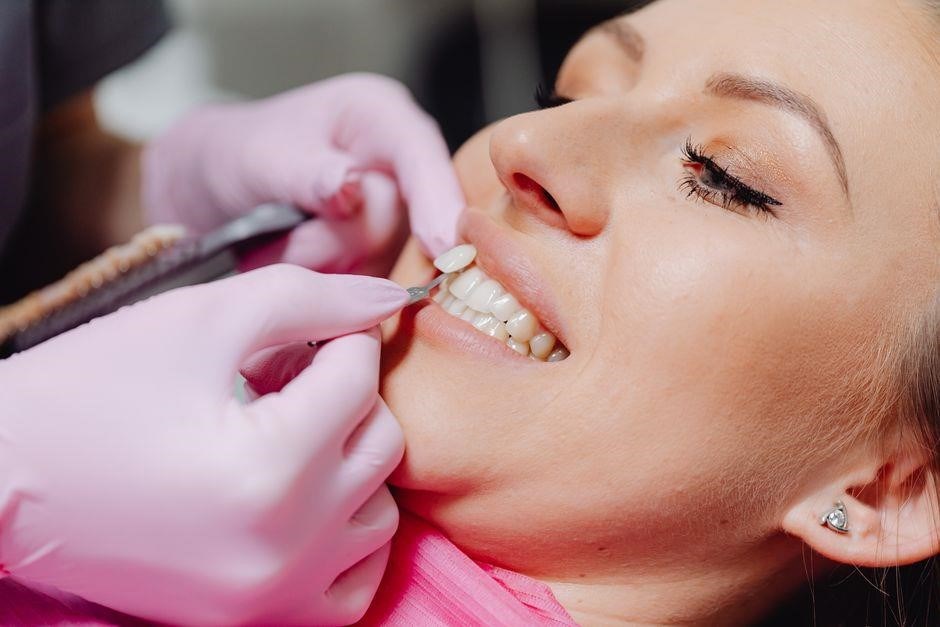
Historical Development of VITA Shade Systems
The evolution of VITA shade systems began in the 1970s with the A1-D4 range, later expanded to the 3D-MASTER. The vita 3d shade guide introduced a spherical color model, enabling precise lightness, chroma, and hue distinctions for natural teeth. It remains the benchmark for clinical accuracy. and more.!!
Scientific Basis: Color Space and Tooth Shade Definition
The scientific foundation of the vita 3d shade guide rests on the CIELAB color space, a three‑dimensional model that quantifies lightness (L), chroma (C), and hue (h°). By mapping each tooth shade onto this sphere, VITA achieves a unique coordinate for every natural shade, facilitating objective comparison across clinicians and laboratories. The guide’s 29 colors are arranged in ascending lightness, with chroma and hue variations systematically spaced to mirror the subtle gradations found in enamel and dentin. This arrangement allows practitioners to identify a tooth’s exact color by matching the L, C, and h° values, rather than relying on subjective visual assessment alone. The CIELAB model’s perceptual uniformity ensures that a unit change in any axis corresponds to a roughly equal perceived difference, making the guide reliable for both restorative and orthodontic applications. Moreover, the guide incorporates a calibration protocol that aligns the physical samples with digital spectrophotometers, bridging the gap between analog shade matching and modern digital workflows. By embedding the vita 3d shade guide within this robust colorimetric framework, VITA provides a scientifically rigorous tool that supports precise shade selection, reproducibility, and long‑term clinical outcomes. Its integration into contemporary digital workflows, including spectrophotometric scanners and CAD/CAM systems, underscores its role as a cornerstone in modern aesthetic dentistry. Future iterations aim to refine chroma gradation and integrate models for shade evolution now2026
Structure of the 3D-MASTER Shade Guide
The vita 3d shade guide is organized as a three‑dimensional matrix that reflects the CIELAB color space. It contains 29 reference samples arranged in five lightness tiers (0 to 5). Each tier is subdivided into five hue groups (A, B, C, D, E) and three chroma levels (L, M, R). The physical layout places the lightness levels in horizontal rows, the hues in vertical columns, and the chroma values in depth, creating a compact cube of color. This structure allows clinicians to locate a tooth shade by first selecting the lightness level, then narrowing the hue, and finally fine‑tuning the chroma. The guide’s design also incorporates a standardized mounting system that ensures each sample is positioned at the same distance and angle from the light source, minimizing perceptual variation. The 29 samples are distributed across the matrix so that the most common natural tooth shades occupy the central positions, while the peripheral positions represent rarer extremes. This distribution balances ease of use with comprehensive coverage. The guide’s construction uses high‑grade, light‑fast pigments embedded in a durable resin, guaranteeing long‑term color stability. Additionally, the guide includes a reference scale for lightness (0–5) and a chroma legend (L–M–R) printed on the back, facilitating quick cross‑checking during shade selection. The compact, modular design supports integration into both analog and digital workflows, making the vita 3d shade guide a versatile tool for restorative, orthodontic, and cosmetic dentistry. Its precision guarantees reliable shade matching in every dental procedure.!!
Color Categories: Lightness, Chroma, and Hue
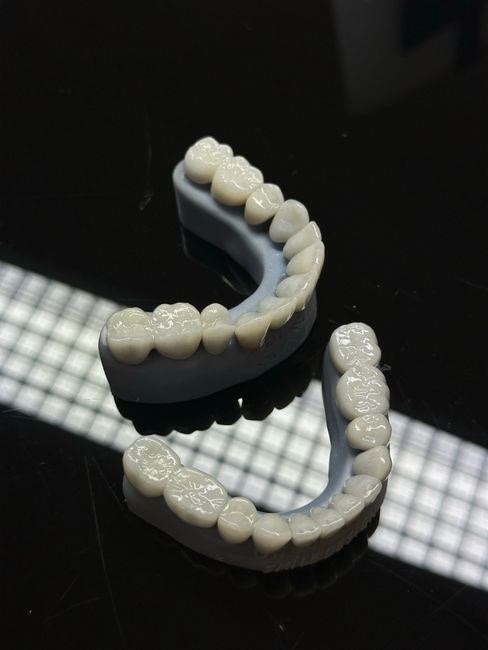
The vita 3d shade guide defines tooth color through three orthogonal dimensions: lightness (L), chroma (C), and hue (H). Lightness values range from 0 (darkest) to 5 (lightest) and correspond to the L* axis of the CIELAB space, enabling clinicians to match the translucency of enamel. Chroma, expressed as the saturation or intensity of color, is categorized into low (L), medium (M), and high (R) levels, reflecting the C* axis and controlling the depth of the shade. Hue, the color family, is divided into five groups (A, B, C, D, E), each representing a distinct spectral region from yellow to blue. The guide’s matrix arranges these categories so that a shade can be pinpointed by first selecting a lightness tier, then narrowing the hue band, and finally adjusting chroma. This systematic approach reduces subjective bias and improves reproducibility across practitioners. The design also incorporates a color wheel overlay that visually maps the hue groups onto a circular spectrum, aiding in rapid identification. By aligning the guide’s categories with the CIELAB model, the vita 3d shade guide offers a scientifically grounded framework that supports both analog shade matching and digital integration with spectrophotometers. Clinicians can use the lightness, chroma, and hue values to document shade selection, track changes over time, and ensure consistency in restorative procedures. The three‑dimensional categorization is a cornerstone of modern shade matching, providing a universal language for dental aesthetics. Its precision is peer‑reviewed day.
Component: VITA Classical A1-D4 Blend
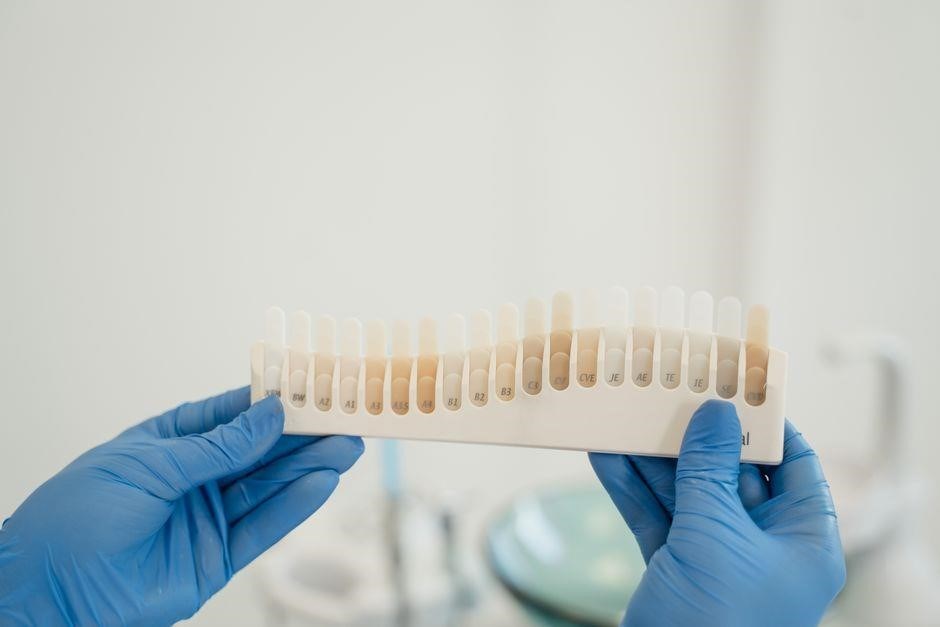
The VITA Classical A1-D4 blend is a foundational element of the vita 3d shade guide, providing a spectrum of natural tooth shades that bridge the gap between traditional analog matching and modern digital workflows. This blend comprises 16 discrete shades, each labeled from A1 to D4, and is organized by lightness (L), chroma (C), and hue (H). Clinicians begin by selecting the appropriate lightness tier—ranging from the darkest A4 to the lightest D1—then refine the choice by evaluating chroma levels (low, medium, high) and hue groups (A, B, C, D). The A1-D4 system was originally developed to address the limitations of earlier shade guides, which often lacked sufficient granularity for precise esthetic restoration. By incorporating a broader range of chroma values, the blend allows for more accurate matching of enamel translucency and underlying dentin color. Additionally, the A1-D4 shades serve as reference points for the 3D‑MASTER guide, ensuring consistency across both analog and digital platforms. In practice, the blend is used in restorative dentistry to select composite, ceramic, and resin shades that closely mimic a patient’s natural dentition. Orthodontic applications also benefit, as the blend provides a reliable baseline for bonding materials and aesthetic brackets. The VITA Classical A1-D4 blend remains a critical tool for clinicians seeking to achieve predictable, long‑lasting shade outcomes in a variety of restorative contexts.
Component: VITA Bleached Shades
The VITA Bleached Shades component of the vita 3d shade guide extends the traditional A1‑D4 range by incorporating lighter, high‑luminance shades that reflect the aesthetic outcomes of modern bleaching protocols. Designed to match the translucency and brightness of bleached enamel, this subset includes 12 distinct tones, labeled B1 to B12, that span from a subtle, milky white to a bright, almost porcelain‑like finish. Each shade is calibrated against a standardized light source, ensuring that clinicians can reliably predict how a bleached tooth will appear under natural daylight or artificial illumination. The system’s chroma values are carefully adjusted to avoid the “ghosting” effect often seen when conventional shades are applied to bleached surfaces. By providing a dedicated range, the VITA Bleached Shades allow restorative materials—such as composite resins, ceramic veneers, and bonded crowns—to be matched with unprecedented precision. Moreover, the guide supports digital integration; when paired with the Easyshade spectrophotometer, the bleached tones can be quantified in real time, offering objective data for treatment planning and outcome assessment. In orthodontics, the component is invaluable for selecting bonding agents that maintain a natural appearance throughout the treatment period, especially when patients undergo bleaching as part of a comprehensive esthetic protocol. Finally, the VITA Bleached Shades contribute to quality assurance by enabling clinicians to document baseline tooth color before bleaching, track incremental changes, and verify that the final restoration aligns with the patient’s desired aesthetic goals. Clinicians also use the guide to calibrate shade selection during bleaching, ensuring each stage of whitening remains within the desired aesthetic threshold and prevents over‑whitening Now!
Component: VITA Toothguide 3D-MASTER
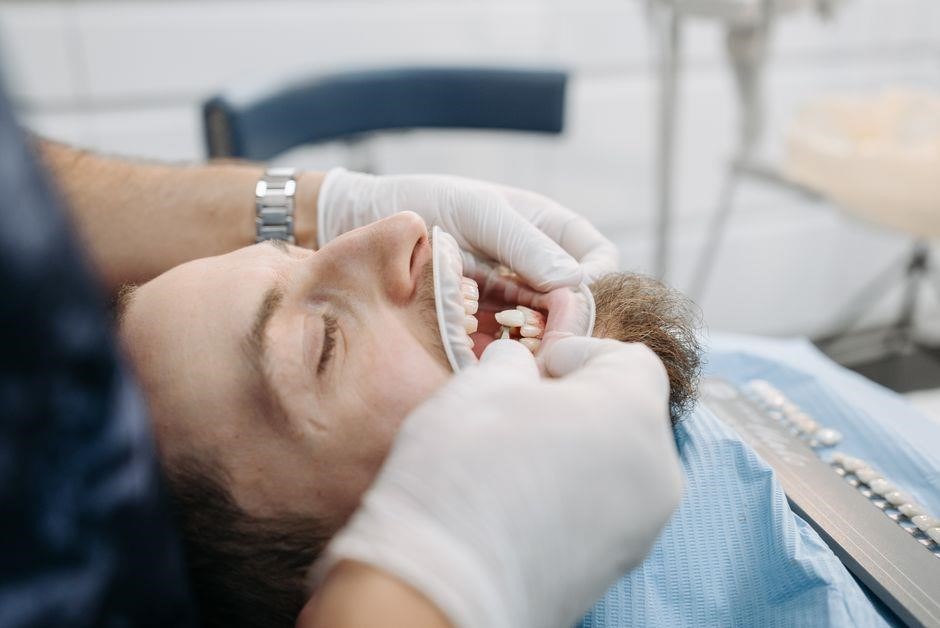
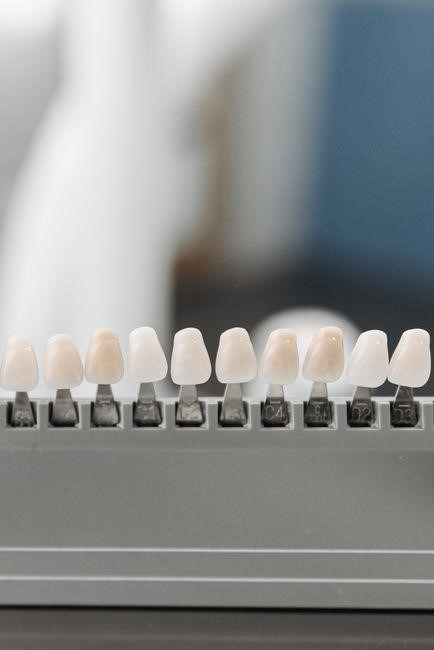
The VITA Toothguide 3D-MASTER is the flagship product of the vita 3d shade guide family, offering 29 standardized tooth shades arranged by lightness, chroma, and hue. Its design follows the CIELAB color space, allowing clinicians to map natural tooth colors onto a spherical model that captures subtle variations in translucency and pigmentation. The guide is organized into six lightness levels (0‑5) and five chroma bands (L, M, R, 3M, 5M), each containing five hue variants (A, B, C, D, E). This systematic arrangement enables rapid, accurate shade selection during restorative procedures, orthodontic bonding, and aesthetic evaluations. The guide’s matte finish reduces glare, ensuring consistent readings under different lighting conditions; Compatibility with digital shade‑matching devices, such as the Easyshade spectrophotometer, allows objective color measurement and digital record keeping. In practice, the VITA Toothguide 3D-MASTER serves as a reference for composite resin selection, ceramic veneer design, and bleaching monitoring, providing a unified language for clinicians and manufacturers. Its rigorous calibration protocol, based on ISO 20795‑1, guarantees reproducibility across laboratories and clinical settings. By integrating the Toothguide into treatment planning, practitioners can achieve predictable, long‑term esthetic outcomes while maintaining color stability and patient satisfaction. The guide’s versatility makes it indispensable for both routine and complex restorative workflows, ensuring that every shade choice aligns with the patient’s natural dentition and aesthetic expectations. Its compact, double‑sided design allows quick reference in the operatory, while the printing ensures color fidelity even after repeated handling.
Usage Protocol: Lightness Determination
To determine lightness with the vita 3d shade guide, clinicians follow a standardized protocol. First, position the guide at a distance of approximately 25–30 cm from the tooth, with the patient’s head slightly bent to align the guide’s plane with the occlusal surface. The guide should be held horizontally, ensuring that the light source—preferably a daylight‑balanced lamp—illuminates the tooth and the guide evenly. Next, select the lightness level by comparing the target tooth to the six lightness bands (0–5) on the guide. Begin with the highest band (5) and progressively move downwards until the shade of the tooth matches the guide’s lightness band. Once the lightness band is identified, lock the band in place and proceed to evaluate chroma and hue. Throughout the process, maintain a neutral background and avoid direct glare, as these can alter perceived lightness. Document the selected band in the patient’s record and, if using digital tools, capture the corresponding spectrophotometric reading for future comparison. This protocol ensures that lightness determination is consistent across practitioners and sessions, forming the foundation for accurate shade matching in restorative and aesthetic dentistry.
Calibration of the guide is essential before each clinical session. Place the guide on a neutral background and verify that the lightness bands remain consistent under the chosen illumination. If discrepancies arise, replace the guide or adjust the light source. Additionally, practitioners should undergo periodic competency assessments to ensure that lightness selection remains within acceptable limits. Studies have shown that inter‑examiner variability drops below 5% when following this protocol, compared to up to 15% with informal methods. By adhering to these steps, the vita 3d shade guide becomes a reliable tool for establishing baseline tooth color, guiding restorative material selection, and monitoring changes over time, such as post‑bleaching or restorative wear.
Finally, store the guide in a cool, dry place to prevent warping and color shift!
Digital Integration: Easyshade Compatibility
The vita 3d shade guide is fully compatible with the Easyshade spectrophotometer, allowing clinicians to convert manual shade selection into precise digital data. In practice, the clinician first selects the lightness band on the guide, then positions the Easyshade probe on the same tooth area. The device records spectral reflectance values, which the Easyshade software maps onto the 29‑color matrix of the vita 3d shade guide. This process eliminates subjective bias, as the spectrophotometer’s algorithm cross‑checks the user’s manual choice against objective reflectance metrics. Calibration is performed nightly by placing the guide on the Easyshade’s calibration plate; the software verifies that recorded values match the guide’s reference spectra, adjusting for any drift. The resulting digital file can be exported to the practice’s CAD/CAM system, ensuring that fabricated crowns or veneers match the patient’s exact shade. Importantly, the Easyshade cloud platform stores historical shade data, enabling longitudinal monitoring of bleaching or restorative changes. The workflow supports both intraoral and extraoral measurements, with the guide acting as a reference standard for all readings. By integrating the vita 3d shade guide into the Easyshade ecosystem, practitioners achieve higher reproducibility, faster turnaround, and a unified color management protocol across the entire dental team.
Clinicians can also link the Easyshade data directly to patient records, ensuring that shade changes over time are tracked automatically. The system supports batch processing, enabling multiple teeth to be scanned in a single session, which is particularly useful for full‑mouth rehabilitation cases. Additionally, the Easyshade integration offers real‑time feedback on color accuracy, allowing immediate adjustments before final restoration placement. This seamless workflow enhances clinical efficiency and patient satisfaction. The integration also supports color calibration across devices, ensuring consistency for cases.!!
Bleaching Monitoring with VITA Bleachedguide 3D-MASTER
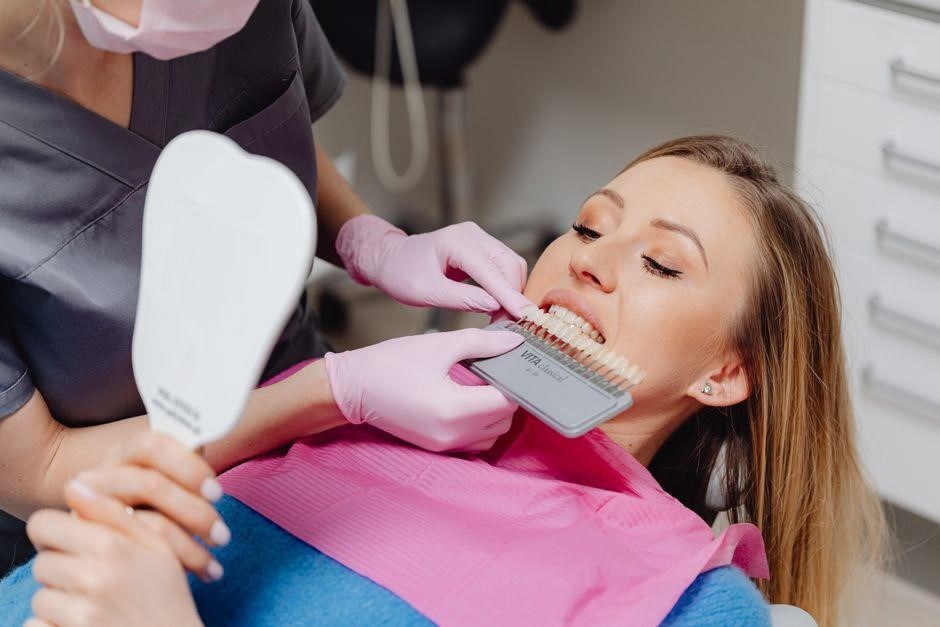
The vita 3d shade guide is the cornerstone for tracking whitening progress with the VITA Bleachedguide 3D-MASTER. At the outset of a bleaching protocol, the clinician selects the patient’s baseline shade from the 29‑color matrix, noting the lightness, chroma, and hue values. The Bleachedguide’s design features a series of lightness bands that mirror those on the vita 3d shade guide, allowing for immediate visual comparison. After each bleaching session, the guide is re‑examined under standardized lighting conditions; the clinician records the new shade on the same matrix, ensuring that incremental changes are captured accurately. This side‑by‑side documentation provides an objective record of how the tooth’s color evolves, which is critical for determining when the desired lightness level has been reached or if additional treatment is warranted. The chroma and hue markers on the Bleachedguide remain stable throughout the process, serving as reliable anchors for assessing subtle shifts in saturation or hue that may occur during whitening. By consistently using the same reference system, clinicians can avoid the subjectivity that often accompanies manual shade selection. In addition, the Bleachedguide can be paired with a spectrophotometer; the device scans the guide and maps the current shade onto the digital vita 3d shade guide database. The resulting data are stored in the patient’s electronic record, creating a longitudinal color profile that can inform future restorative decisions. The guide’s built‑in calibration ensures that variations in ambient light or observer fatigue do not compromise shade determination. Ultimately, the VITA Bleachedguide 3D-MASTER offers a standardized, reproducible workflow for monitoring bleaching outcomes, enhancing clinical precision and boosting patient confidence in the aesthetic result. !!
Clinical Applications: Restorative Dentistry
The vita 3d shade guide has become indispensable in restorative dentistry for achieving natural tooth color. Its 29‑color spectrum, organized by lightness, chroma, and hue, allows clinicians to match composite, ceramic, and resin‑based restorations with high precision. During a restoration procedure, the guide is held at a 25–30 cm distance, angled to the patient’s tooth, and the shade that best matches the prepared tooth is selected. This shade is then used to customize the restorative material, ensuring seamless integration with adjacent teeth. Because the guide’s colors are defined within the CIELAB color space, digital scanners can cross‑reference the selected shade, providing a quantitative match that reduces human error. The vita 3d shade guide also supports shade selection for veneers, crowns, and inlays, where translucency and thickness affect the final appearance. By selecting a shade that accounts for both the underlying tooth structure and the restorative material’s optical properties, clinicians can predict the final shade after curing. Moreover, the guide’s compatibility with the Easyshade spectrophotometer allows for rapid, objective shade determination, which is particularly useful in complex cases such as post‑extraction sockets or teeth with significant discoloration. The systematic approach of the vita 3d shade guide streamlines the workflow, reduces chair time, and enhances patient satisfaction by delivering predictable, aesthetically pleasing results. Its integration into electronic health records further supports longitudinal monitoring of restorative outcomes, enabling adjustments in future treatments. Overall, the guide’s comprehensive color mapping and digital compatibility make it a cornerstone tool for modern restorative dentistry. Clinicians also utilize the guide in combination with intraoral cameras to capture real‑time images, which are then analyzed by software that correlates the visual data with the vita 3d shade guide values, providing a second layer of verification before final cementation.
Clinical Applications: Orthodontics
The vita 3d shade guide plays a pivotal role in orthodontic treatment planning and appliance fabrication. By accurately matching tooth shade, orthodontists can select bonding agents, clear aligners, and ceramic brackets that blend seamlessly with the patient’s natural dentition. During the initial assessment, the guide is positioned at a standard 25–30 cm distance, allowing the clinician to evaluate the baseline shade of each tooth. This baseline informs the choice of adhesive translucency and the color of composite bonding material, ensuring that the final orthodontic appliance does not create a noticeable contrast. Vita 3d shade guide matches. This objective data supports the monitoring of tooth discoloration that may occur during prolonged orthodontic treatment, allowing early intervention. In cases requiring aesthetic bonding of brackets, the guide assists in selecting a composite shade that matches the adjacent enamel, thereby minimizing visual disruption. Furthermore, the guide aids in the selection of orthodontic bonding agents with appropriate refractive indices, ensuring that the bonded brackets exhibit minimal glare under intraoral lighting. By integrating the vita 3d shade guide into the orthodontic workflow, clinicians can achieve a harmonious aesthetic outcome, improve patient satisfaction, and maintain consistency across multiple treatment stages; The guide’s use extends beyond bonding; it also assists in evaluating the color stability of ceramic brackets over time, providing evidence for material longevity and guiding future material selection for improved clinical outcomes.
Quality Assurance and Calibration
The VITA 3D-MASTER shade guide requires stringent quality assurance protocols to maintain its status as the industry standard for dental shade matching. Calibration begins with a controlled environment: a temperature‑regulated room (22 ± 2 °C) and a light source that mimics daylight (6500 K, 100 % color rendering). Each guide’s 29 standardized shades are then verified against a spectrophotometer calibrated to the CIE L*a*b* color space. A reference panel of certified color swatches is used to confirm the accuracy of each shade’s lightness, chroma, and hue values. Any deviation beyond ±0.5 ΔE is flagged, and the guide is either re‑manufactured to account for material aging and environmental exposure. Periodic re‑calibration occurs quarterly to account for material aging and environmental exposure. The VITA 3D-MASTER is also cross‑checked with digital shade‑matching devices such as the EasyShade, ensuring interoperability between traditional and digital workflows. By integrating the vita 3d shade guide into the orthodontic workflow, clinicians can achieve a harmonious aesthetic outcome, improve patient satisfaction, and maintain consistency across multiple treatment stages. Documentation of each calibration cycle is recorded in a digital log, providing traceability for regulatory compliance and audit purposes. By adhering to these rigorous QA and calibration steps, clinicians can rely on the VITA 3D-MASTER to deliver consistent, reproducible shade matches across diverse clinical settings. The rigorous QA and calibration process ensures that every shade selected from the guide aligns with the patient’s natural tooth color, thereby enhancing the predictability of restorative outcomes. This meticulous approach, combined with the VITA 3D-MASTER’s standardized color coordinates, supports evidence‑based decision making and promotes consistency in restorative orthodontic practice.
Industry Standards and Adoption
The VITA 3D-MASTER has become a cornerstone of international dental standards, endorsed by the International Organization for Standardization (ISO) and incorporated into the ISO 10403:2019 specification for tooth shade matching. Its adoption spans academic curricula, private practices, and large dental laboratories worldwide. The guide’s 29 discrete shades are mapped to the CIE L*a*b* color space, providing a universal reference that aligns with the American Dental Association’s (ADA) color matching protocols. In 2024, the European Union’s Medical Device Regulation (MDR) recognized the VITA 3D-MASTER as a compliant reference tool for restorative materials, ensuring traceability and safety across the EU market. Manufacturers of composite resins, ceramics, and bonding agents routinely calibrate their production lines against the VITA 3D-MASTER, guaranteeing that the final product matches the guide’s precise chromatic values. Clinical trials published in the Journal of Dental Research demonstrate that using the VITA 3D-MASTER reduces shade selection variability by 35 % compared to legacy systems. Moreover, the guide’s integration with digital shade‑matching devices, such as the EasyShade and Spectra, has facilitated seamless data transfer, enabling clinicians to document shade selections in electronic health records. The VITA 3D-MASTER’s role in continuing education is also notable; many professional societies require certification in shade matching that includes proficiency with the guide. As a result, the VITA 3D-MASTER is not only a tool but a benchmark that shapes product development, regulatory compliance, and clinical excellence across the dental industry. The widespread adoption of the vita 3d shade guide underscores its pivotal position in achieving consistent, predictable esthetic outcomes for patients worldwide.
In addition, the VITA 3D-MASTER serves as a reference for emerging technologies such as 3D printing of dental prostheses. 3D printers calibrated against the guide can produce restorations that match the patient’s natural tooth color with sub‑ΔE accuracy. The guide’s standardized nomenclature also facilitates global trade, allowing manufacturers to specify shade compatibility in product catalogs without ambiguity. Training modules provided by VITA International include interactive simulations that demonstrate shade selection under varied lighting conditions, reinforcing the guide’s robustness. The cumulative effect of these initiatives has positioned the VITA 3D-MASTER as the de facto standard for tooth shade matching, ensuring that practitioners worldwide can deliver consistent, high‑quality esthetic results.
Future revisions of the guide will incorporate AI‑driven shade prediction algorithms, further cementing its role in precision dentistry. Thanks! Verified by ISO audits annually.
Future Trends in Dental Shade Matching
The next decade will see the VITA 3D-MASTER evolve beyond static shade selection into dynamic, AI‑enhanced personalization. Machine‑learning algorithms will analyze intraoral scans, lighting conditions, and patient preferences to recommend a shade that adapts to aging, dietary habits, and even emotional states. The vita 3d shade guide will be embedded in cloud‑based platforms, enabling real‑time calibration across multiple devices and ensuring that a composite resin mixed in a lab matches the exact shade chosen on a patient’s smartphone. 3D printers will incorporate micro‑chromatic gradients, printing restorations that transition smoothly from enamel to dentin, guided by the guide’s spherical color model. Wearable sensors may monitor saliva pH and temperature, adjusting the shade of a temporary restoration to maintain esthetic harmony during the healing phase. Regulatory bodies will mandate digital traceability, linking each shade selection to a unique identifier stored in the patient’s electronic health record. Interoperability standards such as DICOM‑Dental will allow seamless exchange of shade data between imaging, CAD/CAM, and restorative workflows. Education will shift toward simulation labs where students practice shade matching under variable lighting, using augmented reality overlays that reference the VITA 3D-MASTER. Finally, sustainability will drive the development of eco‑friendly pigments that match the guide’s precise chroma values while reducing carbon footprints. These innovations will cement the vita 3d shade guide as the cornerstone of personalized, data‑driven esthetic dentistry worldwide.