
Understanding Hashimoto’s Protocol and Free Downloads (December 24, 2025)
Navigating the search for a “Hashimoto’s Protocol PDF free download” requires caution; legitimate sources offer valuable guidance, while others pose potential risks to your health journey․
Evaluating the credibility of free resources is paramount, ensuring information aligns with established medical advice and supports informed decision-making regarding your thyroid health․
What is Hashimoto’s Thyroiditis?
Hashimoto’s Thyroiditis is a chronic autoimmune disorder where the immune system mistakenly attacks the thyroid gland․ This leads to chronic inflammation and often results in an underactive thyroid, a condition known as hypothyroidism․ The thyroid, a small butterfly-shaped gland in the neck, is crucial for producing hormones that regulate metabolism, energy levels, and numerous bodily functions․
Over time, the immune system’s attack damages the thyroid, diminishing its ability to produce sufficient hormones․ Symptoms can develop slowly, often over years, and may include fatigue, weight gain, constipation, dry skin, sensitivity to cold, and muscle aches․ Early diagnosis and management are vital to mitigate these symptoms and prevent complications․
Understanding that Hashimoto’s is an autoimmune condition is key; it’s not simply a thyroid problem, but a systemic immune dysfunction․ Therefore, protocols often focus on modulating the immune response alongside supporting thyroid function․ Seeking guidance from a healthcare professional is essential for accurate diagnosis and a personalized treatment plan․
The Core Principles of a Hashimoto’s Protocol
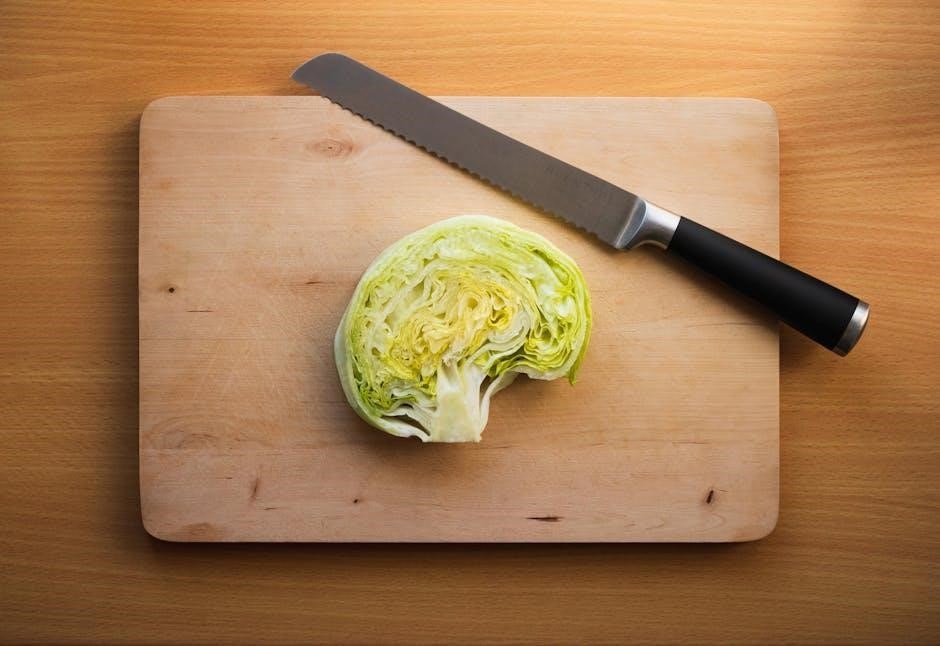
A Hashimoto’s Protocol centers around reducing inflammation, supporting thyroid function, and modulating the immune system․ It’s a multifaceted approach, recognizing the autoimmune nature of the condition․ Dietary changes, particularly eliminating gluten, dairy, and soy, form a cornerstone, aiming to minimize immune triggers and gut inflammation․
Lifestyle modifications are equally crucial, with a strong emphasis on stress management techniques like mindfulness and yoga․ Chronic stress can exacerbate autoimmune responses․ Gut health is prioritized, as a significant portion of the immune system resides within the gut, and imbalances can contribute to autoimmunity․
Supplementation, guided by healthcare professionals, often includes selenium and vitamin D, known for their roles in thyroid function and immune regulation․ The goal isn’t a ‘quick fix’ but a long-term strategy for managing symptoms and improving overall well-being through holistic support․

Dietary Approaches for Managing Hashimoto’s
Strategic dietary interventions, like elimination diets and the Autoimmune Protocol (AIP), are central to managing Hashimoto’s, reducing inflammation, and supporting thyroid health effectively․
The Elimination Diet: Gluten, Dairy, and Soy
Embarking on an elimination diet is often the initial dietary step for individuals with Hashimoto’s, focusing on removing gluten, dairy, and soy from the diet for a defined period—typically 30 to 90 days․
This approach aims to identify potential food sensitivities that may be exacerbating autoimmune responses and inflammation․ Gluten, a protein found in wheat, barley, and rye, is a common trigger due to its potential to increase intestinal permeability (“leaky gut”)․
Dairy, containing casein and lactose, can also contribute to inflammation in susceptible individuals․ Similarly, soy, a prevalent ingredient in many processed foods, contains phytoestrogens that may disrupt thyroid hormone balance․
Carefully removing these foods allows the immune system to calm down, potentially reducing thyroid antibody levels and alleviating symptoms․ Following the elimination phase, foods are reintroduced one at a time, monitoring for any adverse reactions․
A detailed “Hashimoto’s Protocol PDF” often outlines this process, providing guidance on food lists, meal planning, and symptom tracking to ensure a successful elimination and reintroduction phase․
The Autoimmune Protocol (AIP) Diet for Hashimoto’s
The Autoimmune Protocol (AIP) diet represents a more restrictive, yet potentially more impactful, dietary approach for managing Hashimoto’s․ Building upon the elimination diet, AIP removes additional inflammatory foods, including eggs, nightshades (tomatoes, peppers, eggplant, potatoes), nuts, seeds, and all processed foods․
This stringent elimination aims to reduce gut inflammation, heal the gut lining, and calm the immune system more comprehensively․ AIP focuses on nutrient-dense foods like organ meats, fermented vegetables, and healthy fats, providing the building blocks for tissue repair and immune regulation․
The AIP diet is typically followed for a longer duration than a standard elimination diet—often several months—before gradual reintroduction of foods․
A comprehensive “Hashimoto’s Protocol PDF” detailing AIP will include extensive food lists, recipes, and guidance on navigating the reintroduction phase, helping individuals identify their unique trigger foods and optimize their dietary plan․
It’s crucial to work with a healthcare professional when implementing AIP to ensure nutritional adequacy and address any potential deficiencies․
7-Day Hashimoto’s Diet Plan Overview
A 7-day Hashimoto’s diet plan serves as a practical starting point for implementing dietary changes․ These plans typically emphasize whole, unprocessed foods, prioritizing anti-inflammatory options while eliminating common triggers like gluten, dairy, and soy․ Expect a focus on lean proteins, abundant vegetables, and healthy fats․
Sample meal plans often include breakfast options like egg scrambles with vegetables or breakfast smoothies, lunches featuring salads with tuna or grilled chicken, and dinners centered around baked salmon and roasted sweet potatoes․
Snacks might consist of Greek yogurt with berries or a handful of nuts (if tolerated)․ A detailed “Hashimoto’s Protocol PDF” will provide a day-by-day breakdown, including specific recipes and portion sizes․
Remember, this is a template; individual needs vary․ Adjusting the plan based on personal preferences and sensitivities is essential for long-term success and symptom management․
Consistency and mindful eating are key components of a successful 7-day plan, laying the foundation for a sustainable, thyroid-friendly lifestyle․
Day 1: Sample Meal Plan
Begin your first day with an egg scramble incorporating various vegetables – spinach, bell peppers, and onions are excellent choices․ This provides a protein-rich start and essential nutrients․ For a mid-morning snack, consider a small portion of berries, offering antioxidants and natural sweetness․

Lunch could be a salad featuring canned light tuna mixed with romaine lettuce and a drizzle of olive oil․ Ensure the tuna is packed in water, not oil, to minimize unhealthy fats․ An afternoon snack might involve a handful of almonds, providing healthy fats and protein․
Dinner should focus on lean protein and vegetables; baked salmon with roasted sweet potatoes and steamed broccoli is a fantastic option․ A “Hashimoto’s Protocol PDF” often details precise portion sizes for optimal results․
Hydration is crucial – drink plenty of water throughout the day․ Avoid processed foods, sugary drinks, and excessive caffeine․
Day 2: Sample Meal Plan
Start your day with a nourishing breakfast smoothie․ Blend spinach, a small amount of fruit (berries are ideal), a scoop of protein powder (ensure it’s AIP-friendly if following that protocol), and unsweetened almond milk․ This provides a quick and easily digestible meal․
For a mid-morning snack, enjoy a small apple with a tablespoon of almond butter․ This combination offers fiber, healthy fats, and sustained energy․ Lunch could consist of leftover baked salmon from the previous night, paired with a side of steamed green beans․
An afternoon snack might be a handful of walnuts․ Dinner should include lean protein like chicken breast with a large serving of mixed greens and a light vinaigrette․ Remember to consult a “Hashimoto’s Protocol PDF” for detailed guidance․

Prioritize hydration by drinking water throughout the day and avoid inflammatory foods․
Day 3: Sample Meal Plan & Chia Seeds
Begin the day with a chia seed pudding! Combine chia seeds with unsweetened coconut milk and a touch of berries․ Allow it to sit for at least 20 minutes to thicken, creating a creamy and nutritious breakfast․ This provides omega-3 fatty acids and fiber․
A mid-morning snack could be a small portion of sliced cucumber with guacamole․ Lunch should feature a turkey breast salad with mixed greens, avocado, and a lemon-olive oil dressing․ Ensure the turkey is nitrate-free․
For an afternoon pick-me-up, enjoy a handful of pumpkin seeds․ Dinner could be baked cod with roasted sweet potatoes and broccoli․ Remember to consult a “Hashimoto’s Protocol PDF” for tailored recommendations․
Incorporate adequate hydration and continue to avoid gluten, dairy, and soy to support your thyroid health and manage inflammation effectively․
Anti-Inflammatory Foods to Include
Prioritize a diet rich in anti-inflammatory powerhouses to support thyroid function and mitigate autoimmune responses․ Salmon, packed with omega-3 fatty acids, is a cornerstone, alongside other fatty fish like mackerel and sardines․
Sweet potatoes offer vital nutrients and fiber, while leafy greens – spinach, kale, and collard greens – provide essential vitamins and antioxidants․ Berries, especially blueberries and strawberries, are brimming with antioxidants․
Fermented foods, such as kimchi, sauerkraut, and kombucha, promote gut health, crucial for immune regulation․ Consider a “Hashimoto’s Protocol PDF” for a comprehensive list and meal planning ideas․
Beans and whole grains (if tolerated) contribute fiber and nutrients․ These foods work synergistically to calm inflammation and support overall well-being․
Foods to Avoid or Limit
Managing Hashimoto’s often necessitates limiting foods that exacerbate inflammation․ Gluten, found in wheat, barley, and rye, is a common trigger for autoimmune reactions and should be carefully considered for elimination․
Dairy products can also contribute to inflammation in susceptible individuals; explore dairy-free alternatives․ Soy, while a plant-based protein, contains goitrogens that may interfere with thyroid hormone production․
Processed foods, high in sugar and unhealthy fats, should be minimized․ A detailed “Hashimoto’s Protocol PDF” can offer a comprehensive list of problematic ingredients and potential substitutes․
Excessive alcohol and caffeine can also disrupt thyroid function and worsen symptoms․ Individual sensitivities vary, so mindful observation of your body’s response is key․

Beyond Diet: Lifestyle Factors
Optimizing well-being extends beyond nutrition; stress management and gut health are crucial components of a Hashimoto’s Protocol, enhancing overall thyroid function․
Stress Management Techniques
Chronic stress significantly impacts autoimmune conditions like Hashimoto’s, exacerbating inflammation and disrupting thyroid function․ Implementing effective stress management techniques is, therefore, a vital component of any comprehensive Hashimoto’s Protocol․
Mindfulness meditation, even for just 10-15 minutes daily, can help regulate the nervous system and reduce cortisol levels․ Deep breathing exercises, such as diaphragmatic breathing, offer a quick and accessible way to calm the mind and body․
Regular physical activity, like yoga or gentle walking, releases endorphins, natural mood boosters․ Prioritizing sufficient sleep – aiming for 7-9 hours per night – is also crucial for stress resilience․ Consider incorporating adaptogenic herbs, under the guidance of a healthcare professional, to help the body adapt to stress․
Journaling can provide an outlet for processing emotions, while spending time in nature has been shown to lower stress hormones․ Remember, finding what works best for you is key to sustainable stress management․
The Role of Gut Health in Hashimoto’s
Emerging research highlights a strong connection between gut health and autoimmune diseases, including Hashimoto’s thyroiditis․ A significant portion of the immune system resides in the gut, and imbalances in the gut microbiome can contribute to inflammation and immune dysregulation․
Leaky gut syndrome, characterized by increased intestinal permeability, allows undigested food particles and toxins to enter the bloodstream, triggering an immune response․ This can exacerbate autoimmune reactions in the thyroid․
Supporting gut health through dietary changes – like those outlined in an AIP diet – and incorporating probiotic-rich foods (fermented vegetables, kefir) can help restore microbial balance․ Addressing any underlying gut infections, such as Small Intestinal Bacterial Overgrowth (SIBO), is also crucial․
Prioritizing digestive health is therefore a cornerstone of a successful Hashimoto’s Protocol, aiming to reduce inflammation and support immune function․

Finding a “Hashimoto’s Protocol PDF Free Download”
Locating a Hashimoto’s Protocol PDF free download demands discernment; prioritize reputable sources to ensure accuracy and avoid misinformation impacting your health decisions․
Legitimate Sources vs․ Potential Risks
Searching for a “Hashimoto’s Protocol PDF free download” presents a landscape of varying quality․ Legitimate sources typically include websites of recognized medical institutions like the Mayo Clinic, reputable thyroid patient advocacy groups, and registered dietitians specializing in autoimmune conditions․
These resources generally offer evidence-based information, clearly outlining dietary recommendations, lifestyle adjustments, and potential supplement protocols․ However, the internet also harbors risks․ Many free PDFs originate from unverified sources, potentially containing outdated, inaccurate, or even harmful advice․
Beware of protocols promising “miracle cures” or overly restrictive diets lacking scientific backing․ Unverified information can lead to nutrient deficiencies, exacerbate symptoms, or interfere with prescribed medical treatments․ Always cross-reference information with your healthcare provider before implementing any new protocol, especially when sourced from free downloads․
Prioritize resources that emphasize a holistic approach, acknowledging the interplay between diet, lifestyle, and medical management in Hashimoto’s thyroiditis․ Remember, self-treating based on unverified information can be detrimental to your long-term health․

Evaluating the Credibility of Free Resources
When considering a “Hashimoto’s Protocol PDF free download,” critical evaluation is essential․ First, assess the author’s credentials – are they a medical doctor, registered dietitian, or qualified healthcare professional specializing in thyroid disorders?
Look for evidence-based information, supported by scientific research and citations․ Beware of anecdotal evidence or testimonials presented as definitive proof․ Check the publication date; protocols evolve with new research, so recent information is preferable․
Examine the website’s overall reputation․ Is it a well-established organization with a clear mission and transparent funding sources? Be wary of sites promoting unproven treatments or selling questionable products․ Cross-reference the information with reputable sources like the Mayo Clinic or thyroid advocacy groups․
Finally, consider whether the protocol aligns with your individual needs and medical history․ Always discuss any proposed changes with your healthcare provider before implementation, ensuring it complements your existing treatment plan․

Supplements Commonly Used in Hashimoto’s Protocols
Many protocols incorporate supplements like selenium and vitamin D, aiming to support thyroid function and modulate the immune system for optimal wellness․
Selenium and Thyroid Function
Selenium plays a crucial role in the conversion of T4 (inactive thyroid hormone) to T3 (active thyroid hormone), a process vital for individuals managing Hashimoto’s thyroiditis․ This essential mineral acts as a cofactor for enzymes called deiodinases, which are directly involved in this conversion․
For those with Hashimoto’s, an autoimmune condition affecting the thyroid, selenium supplementation may help reduce thyroid antibody levels (TPOAb), potentially lessening the autoimmune attack on the thyroid gland․ However, it’s important to note that selenium isn’t a cure, but rather a supportive element within a broader protocol․
Dosage recommendations vary, and it’s crucial to consult with a healthcare professional before starting supplementation․ Excessive selenium intake can be harmful, leading to selenosis․ A typical supplemental dose often falls within the range of 200-400 micrograms per day, but individual needs differ․ Dietary sources of selenium include Brazil nuts, tuna, and sunflower seeds․
Vitamin D and Immune Modulation
Vitamin D deficiency is frequently observed in individuals with Hashimoto’s thyroiditis, and maintaining optimal levels is crucial for immune regulation․ Vitamin D acts as an immunomodulator, helping to balance the immune system and potentially reduce the autoimmune response characteristic of Hashimoto’s․
Low vitamin D levels have been linked to increased thyroid antibody levels and disease severity․ Supplementation can help modulate the immune system, potentially decreasing inflammation and supporting overall thyroid function․ However, it’s vital to have your vitamin D levels tested before starting supplementation, as excessive intake can be harmful․
Optimal levels generally fall between 30-60 ng/mL․ Dosage recommendations vary based on individual needs and current levels, typically ranging from 2,000 to 5,000 IU per day․ Dietary sources include fatty fish, egg yolks, and fortified foods, but supplementation is often necessary to achieve optimal levels․